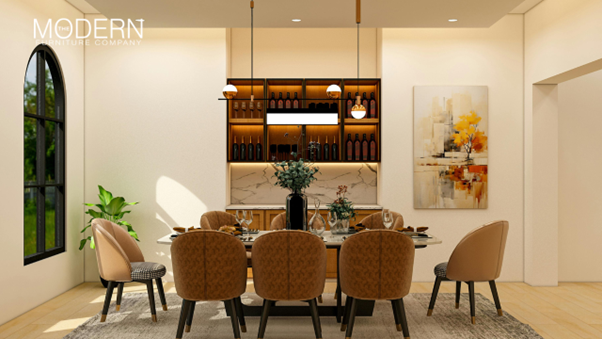
Small dining rooms can feel tricky. One minute you're setting the table, and the next you're bumping into chairs or squeezing past the wall. I’ve seen it so many times. The space feels tight, and you start thinking maybe a “real” dining area just isn’t possible.
Here’s the thing… it absolutely is.
With the right small dining room ideas, even the tiniest corner can feel welcoming and stylish. You don’t need more square footage. You just need smarter choices. The good news is that there are so many clever dining room ideas for small spaces that actually work in real homes.
In this guide, I’ll walk you through practical, easy-to-use small space dining room ideas that make a big difference. We’ll talk about better furniture picks, simple layout tweaks, lighting tricks, and small changes that can transform the whole room. Some of these ideas are surprisingly simple. But trust me on this one - they go a long way.
Ready to see what’s possible?
1. Use a Foldable Dining Table

A foldable dining table is one of the easiest fixes for a tight space. You can open it when you need it and fold it away when you don’t. This gives you more room to move around during the day. It’s a great option if your dining area doubles as a workspace.
In small apartments, flexibility matters. A foldable table lets you switch between uses without stress. You can enjoy meals, then quickly clear the area for other tasks. This makes your home feel less crowded and more open.
It also helps reduce visual clutter. A bulky table sitting all day can make the room feel heavy. When you fold it away, the space instantly feels lighter and cleaner.
2. Choose a Round Table

Round tables are perfect for small dining areas. They take up less visual space and allow easy movement around them. Since there are no sharp corners, your room feels softer and more open.
They also work well in awkward layouts. If your dining area is tucked into a corner, a round table fits better than a square one. It helps you use space that might otherwise go unused.
Another benefit is better flow. You can walk around it easily, which is important in tight spaces. It also makes sitting feel more natural and less cramped.
3. Try an Extendable Table

An extendable table gives you the best of both worlds. Keep it small for daily use, and expand it when guests come over. This way, you don’t have to sacrifice space just to prepare for occasional gatherings.
In a small home, every inch counts. A large table sitting unused most days is not ideal. With an extendable design, you only use extra space when needed. It keeps your layout clean and practical.
It also adds flexibility to your dining area. You can host friends or family without feeling unprepared. Then, once done, you can shrink it back and enjoy your open space again.
4. Add Bench Seating

Bench seating is a smart way to save space and add more seating. Unlike chairs, benches can slide under the table when not in use. This keeps the area neat and gives you more walking space.
Benches also help you seat more people in less space. This is useful if you like having guests over but don’t have room for extra chairs. It makes your dining area more flexible.
They can also double as storage. Many benches come with hidden compartments where you can store items like table linens or kitchen tools. This reduces clutter and keeps things organized.
Also read - 15 Cozy Living Room Ideas
5. Go for Stackable Chairs

Stackable chairs are great for small homes. You can use them when needed and stack them away afterward. This helps you keep your space open and clutter-free.
They are especially useful when you don’t need extra seating every day. Instead of keeping many chairs around, you can store them neatly in a corner or closet.
Lightweight designs make them easy to move around. You can quickly set up your dining area when guests arrive and pack it back just as fast. It keeps things simple and stress-free.
6. Place the Table Against a Wall

Pushing your table against a wall can instantly create more walking space. In small homes, even a few extra inches matter. This setup keeps the center of the room open, which makes the whole area feel bigger.
It works well for daily use. You can keep one side fixed and only use the other for seating. When guests come over, just pull the table out a bit. It’s a simple shift that adds flexibility.
This layout also helps reduce visual clutter. A table in the middle can break the flow. Against a wall, it feels more structured and calm.
You can also style the wall to add personality. A small shelf, artwork, or even a mirror can complete the look without taking extra space.
7. Use a Corner Dining Setup

Corners are often ignored, but they can be very useful. Turning a corner into a dining area helps you use space that would otherwise go empty.
A small table with two chairs works well here. You can also add a bench along the wall to save more space. This keeps everything compact and easy to manage.
It creates a cozy and defined spot. Instead of spreading furniture around, you keep it grouped in one area. This makes the room feel more planned.
Corner setups also help create a clear dining zone, even in open layouts. It gives your home better structure without adding bulk.
8. Combine Dining and Living Space

In many apartments, there’s no separate dining room. That’s normal. You can combine your dining and living space without making it feel crowded.
Start by keeping furniture simple. Avoid heavy pieces that take over the room. Light colors and clean lines help the space feel open.
You can define the dining area using a rug or lighting. This creates a visual break without adding walls. It keeps both areas organized.
Brands like Bontempi Casa offer sleek furniture that blends well in shared spaces. Their designs feel light and modern, which suits smaller homes.
9. Try a Bar-Style Dining Counter

A bar-style counter is a smart option if you don’t have space for a full table. It’s slim, simple, and easy to place along a wall or near the kitchen.
This setup keeps your floor area open. Stools can slide under the counter, so nothing blocks your path when not in use.
It also adds a relaxed feel to your home. You can use it for meals, coffee, or even work. It’s flexible and practical.
Keep the surface clean to avoid clutter. A small plant or tray is enough to add style.
10. Use a Window Nook

A window nook can turn into a perfect dining spot. Natural light makes any small area feel brighter and more open.
Place a compact table near the window with one or two chairs. It creates a calm space for meals or tea.
This setup also reduces the need for heavy decor. The light and view already add charm to the space.
If possible, add soft cushions or a small bench. It makes the spot more comfortable and inviting.
Also read - 15 Modern Beige Bedroom Ideas
11. Install Wall Shelves

Wall shelves are a simple way to add storage without using floor space. This is very helpful in small homes where space is limited.
You can use them to store plates, cups, or small decor items. Keeping things off the table helps reduce clutter.
It’s best to keep shelves neat and not overcrowded. Too many items can make the space feel busy.
Floating shelves work well because they look light and don’t make the wall feel heavy.
12. Use a Slim Sideboard

A slim sideboard gives you extra storage without taking up much room. It fits neatly against a wall and doesn’t block movement.
You can store dining items inside and use the top for serving or decor. This helps keep your table clear and organized.
It also adds structure to your dining area. Everything has a place, which makes the space feel more put together.
Designs from Porada focus on clean lines and light finishes, which work well in smaller spaces.
13. Add Hidden Storage Furniture

Hidden storage furniture is a smart way to keep your dining area clean. Pieces like benches with storage or tables with drawers can hold many items.
This helps reduce clutter without adding extra furniture. Everything stays out of sight but easy to reach.
It’s useful for storing items like table linens, cutlery, or small kitchen tools. You don’t have to search for things every time.
This type of furniture also keeps your space looking simple and organized. It blends function with style.
14. Hang Chairs or Fold Them Away

If you use foldable chairs, storing them properly can free up a lot of space. You don’t need them out all the time, especially in a small dining area.
You can hang them on wall hooks or place them inside a closet. This keeps your floor open and makes the room feel less crowded.
It also improves movement around the space. With fewer items on the floor, walking becomes easier and more comfortable.
This setup works well for homes where guests come occasionally. You bring out chairs only when needed, then store them again.
15. Use Floating Cabinets

Floating cabinets give you storage while keeping the floor visible. This small detail makes your space look bigger and more open.
They are perfect for storing dining essentials like plates or glasses. Everything stays organized without adding bulk.
Since they are mounted on the wall, they don’t block movement. This helps maintain a clean and airy layout.
Brands like Cattelan Italia offer modern floating designs that suit compact dining spaces well.
Also read - 11 Covered Decking Ideas
16. Add Mirrors

Mirrors are one of the easiest ways to make a small space look bigger. They reflect both light and space, which creates a sense of depth.
Placing a mirror near your dining table can instantly open up the room. It makes the area feel less tight and more breathable.
Mirrors also help brighten the space without adding extra lights. This is helpful if your dining area lacks natural light.
Choose a simple design so it blends well with your decor and doesn’t feel heavy.
17. Use Pendant Lighting

Pendant lights are great for small dining areas because they don’t take up floor space. They hang above the table and provide focused lighting.
They also help define your dining area, especially in open layouts. It creates a clear visual point without adding clutter.
Choosing the right size is important. A light that’s too large can feel overwhelming, while a small one may not stand out enough.
Soft lighting creates a warm and cozy feel. It makes your dining area more inviting for daily use.
18. Stick to Light Colors

Light colors can make a small dining area feel bigger and more open. Shades like white, beige, and soft pastels reflect more light.
This reduces the heavy feel that darker colors can bring. It helps your space look calm and less crowded.
You can still add small accents for contrast, like cushions or decor items. Just keep the main colors light.
This works well for both walls and furniture, helping create a balanced look.
19. Use Transparent Furniture

Transparent furniture is a great trick for small spaces. Glass or acrylic pieces don’t block the view, which keeps the room feeling open.
A glass dining table, for example, can make a big difference. It takes up space physically but not visually.
This helps reduce the feeling of clutter. The room looks cleaner and more spacious.
Pair it with simple chairs or decor so the effect stays strong.
20. Keep Decor Minimal

Too much decor can quickly make a small dining area feel crowded. Keeping things minimal helps maintain a clean and calm look.
Choose one or two statement pieces instead of many small items. This keeps the space balanced and easy to manage.
It also makes cleaning easier. With fewer items around, your dining area stays neat with less effort.
Brands like Vincent Sheppard Indoor focus on simple, clean designs that fit well in compact spaces.
Also read - 15 Modern Beige Bedroom Ideas
Conclusion
Small dining spaces can feel tricky at first. But with the right choices, they can look stylish and work well every day. You don’t need a big room to create a space that feels open and inviting.
Start with the basics. A foldable table can free up space when you’re not using it. Bench seating helps you fit more people without crowding the area. Adding a mirror can instantly make your dining space feel bigger and brighter.
These small changes can make a big difference. The key is to keep things simple and functional. Focus on pieces that serve more than one purpose. Avoid adding items that don’t add value.
You don’t have to change everything at once. Try one or two ideas first. See what works best for your space and your daily routine. Even small updates can improve how your dining area feels.