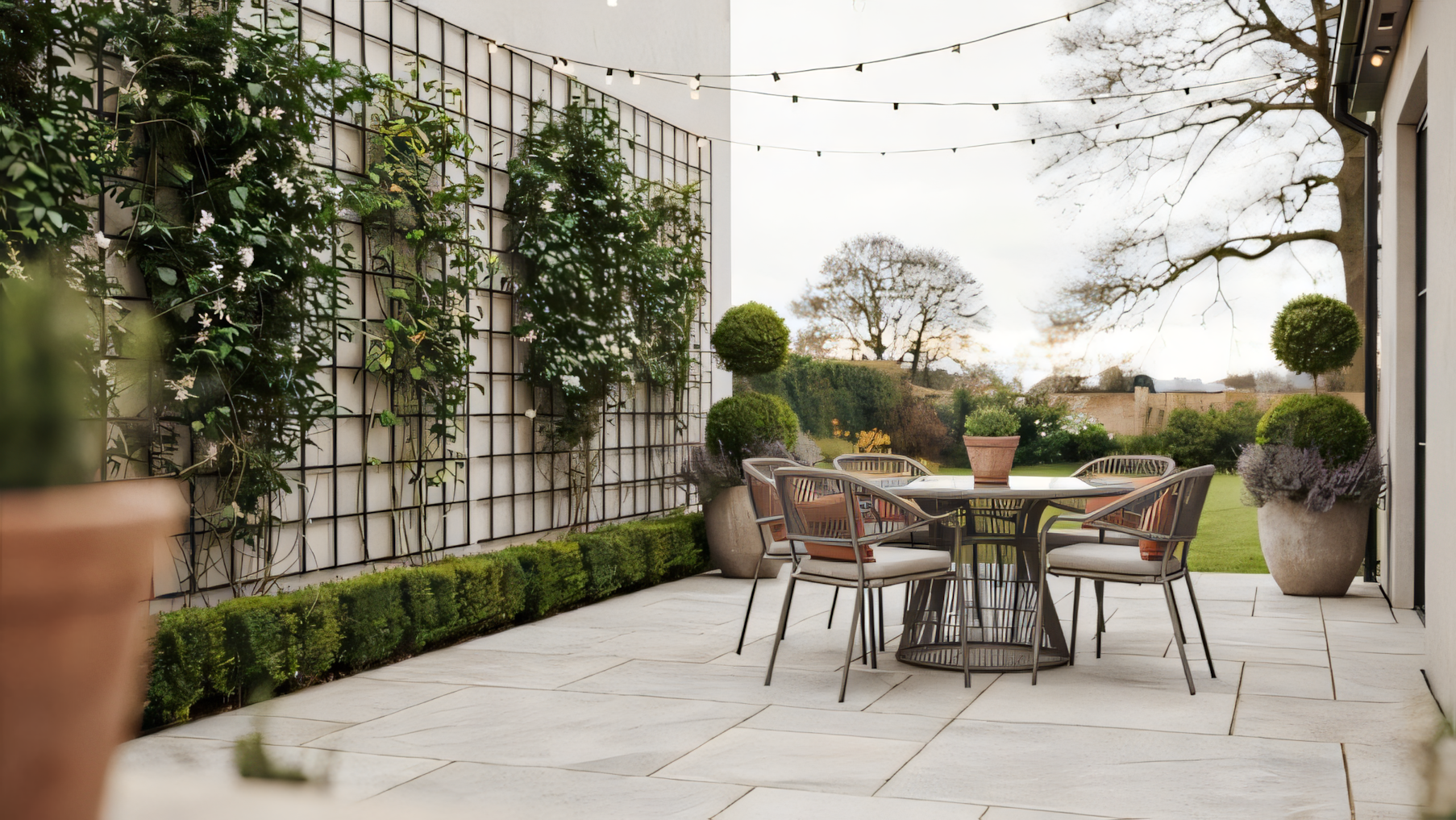
The trick is to make every part of the space work well. Think vertical planting instead of taking up more floor space, furniture that fits the proportions of your garden, and lighting that makes the space inviting after dark.
In this guide, we’ve brought together 15 practical small garden ideas to help you make the most of your outdoor space. From clever layouts and low-maintenance planting to stylish furniture, shade and outdoor cooking, you’ll find ideas that work well for modern UK homes.
1. Start With Clear Zones Before Adding Anything
A well-planned layout can make a small garden feel much more spacious. Before buying furniture or filling the space with plants, think about how you want to use each part of the garden.
Start by measuring the available space and deciding what matters most. You might want a dining area for summer meals, a comfortable spot for relaxing, or space for plants and gardening. In a very small garden, one area may need to serve several purposes.
Use furniture, planters, paving or changes in materials to create clear zones without building physical barriers. For example, a dining table can define one end of a patio, while a couple of chairs and a small table can create a separate relaxing corner.
Keep a clear route between the house, seating areas and the garden entrance. Avoid filling every corner. Leaving some open space can make the whole garden feel calmer and larger.
2. Grow Upwards With Vertical Planting

When floor space is limited, look up. Walls, fences and other vertical surfaces can provide valuable room for greenery without taking away space for furniture.
Trellises, wall planters, hanging pots and shelves can all help you add plants at different heights. Climbing plants are particularly useful because they can soften a plain fence or brick wall while keeping the ground clear.
For a UK garden, consider plants such as clematis, honeysuckle or climbing roses where the conditions suit them. Herbs can also work well in wall-mounted planters, especially on sunny patios and balconies.
Vertical planting can also help create privacy. A trellis covered with suitable climbers can soften neighbouring views without making a compact garden feel enclosed.
3. Use Containers to Create Flexible Greenery

Containers are a simple way to add plants when you have little or no garden soil to work with. They’re especially useful for patios, balconies and terraces where planting directly into the ground isn’t possible.
Instead of filling the space with lots of small pots, consider using a few larger containers. Group them at different heights to add depth, or use a large planter to mark the edge of a dining or seating area.
Choose plants based on the amount of sunlight, shelter and space available. You could combine evergreen plants for year-round structure with seasonal flowers for colour.
Good drainage is also essential in the UK. Heavy rain can leave containers waterlogged, particularly during autumn and winter. The RHS recommends using containers with suitable drainage and choosing compost and plants that match the conditions.
For a more polished look, repeat the same planter material or colour in different areas. This creates a sense of continuity without making the garden feel busy.
4. Choose Furniture That Fits the Space, Not the Other Way Around
In a small garden, furniture can quickly take over. The best approach is to choose pieces that suit the size and shape of the space, rather than trying to fit a large outdoor set into a compact area.
Start by measuring the area where you plan to place the furniture. Remember to leave enough room to pull out chairs, walk around the table and move comfortably between different zones.
Compact furniture can still feel comfortable and stylish. Stackable chairs, benches and modular pieces can give you the flexibility to change the layout when needed. Avoid oversized sofas or large dining sets if they leave little room to move.
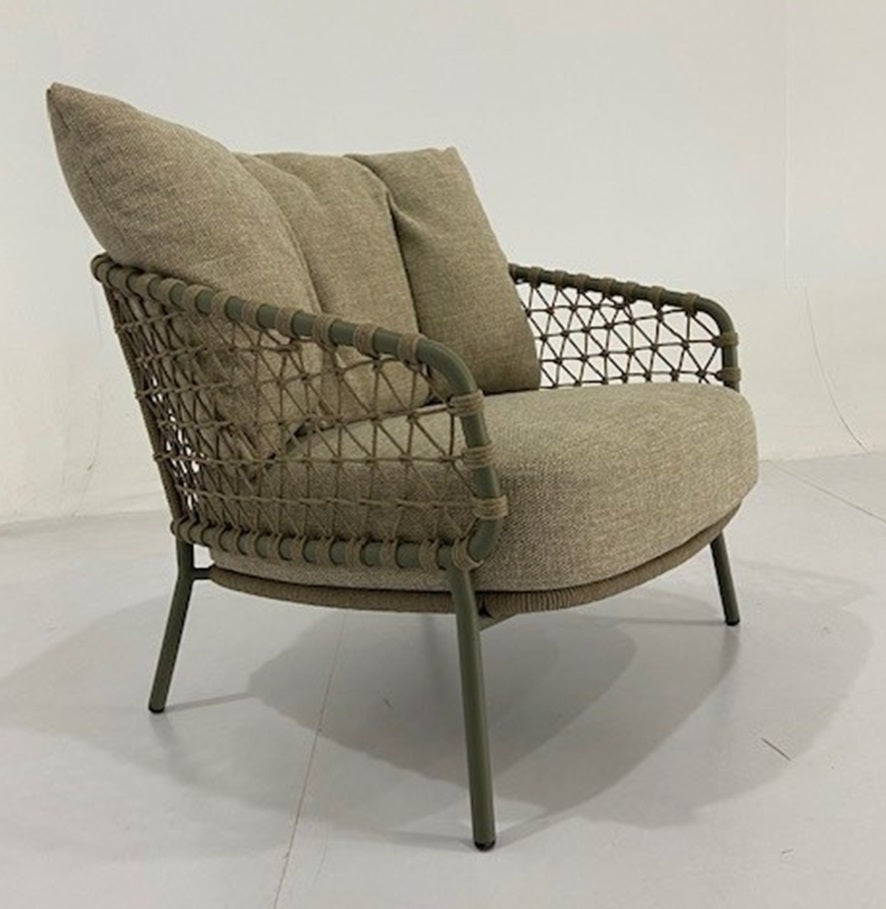
For dining areas, a well-proportioned outdoor dining chair can provide comfortable seating without making the patio feel overcrowded.
A small garden often looks better with fewer, well-chosen pieces than with furniture packed into every available corner. Think about proportion, comfort and how you’ll actually use the space before making a purchase.
5. Make One Piece of Furniture Work Harder
When space is limited, every piece needs to earn its place. Choosing furniture that can serve several purposes is an easy way to make a small garden more practical without filling it with extra items.
An ottoman, for example, can work as a footrest when you’re relaxing and provide extra seating when guests arrive. A movable side table can be used beside a chair, then brought over to the dining area when you need more surface space.
Benches can also be useful in compact gardens. They can seat several people while taking up less visual space than multiple individual chairs. Modular furniture offers another option, allowing you to change the layout depending on whether you’re dining, relaxing or entertaining.
Think about how you use your garden throughout the year. A flexible setup can work for a quiet morning coffee, a family lunch or an evening with friends without needing separate furniture for each occasion.
The result is a garden that feels less cluttered while still giving you plenty of ways to use the space.
6. Create a Dedicated Lounging Corner

A small garden can still have a proper place to switch off. Rather than spreading seating across the whole space, use one corner to create a comfortable outdoor retreat.
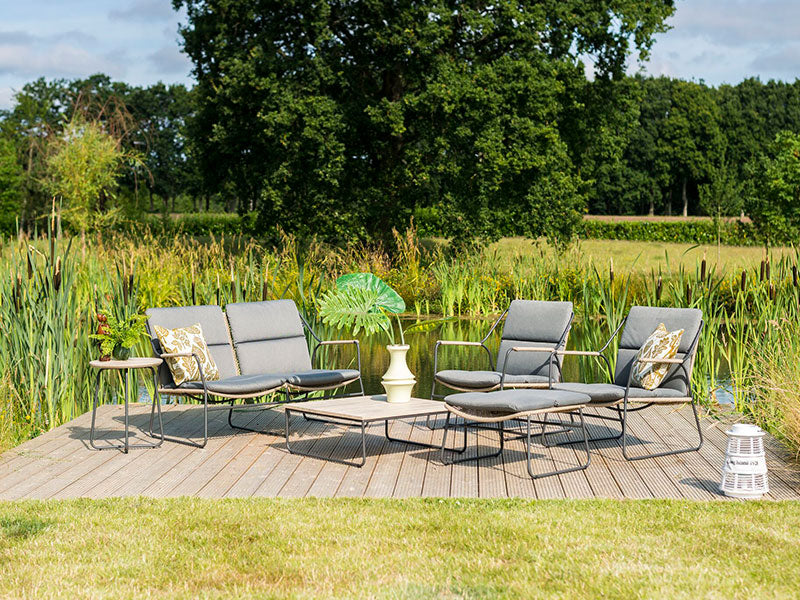
Position your seating against a wall or fence where possible. This keeps the centre of the garden open and creates a clearer route between different areas. A compact coffee table can provide somewhere to place drinks, books or snacks without taking up too much room.
If you enjoy stretching out in the sunshine, a well-positioned sun lounger can turn an unused corner into a relaxing spot. Choose a position that gets the right amount of sunlight while still leaving enough space to move around it.
Keep the look simple with a small number of coordinated pieces. Weather-resistant materials and outdoor cushions can add comfort while helping the area cope with Britain's changeable weather.
7. Choose a Compact Dining Setup for Alfresco Meals

A small garden shouldn’t stop you from enjoying meals outdoors. The key is to choose a dining setup that fits comfortably without taking over the available space.
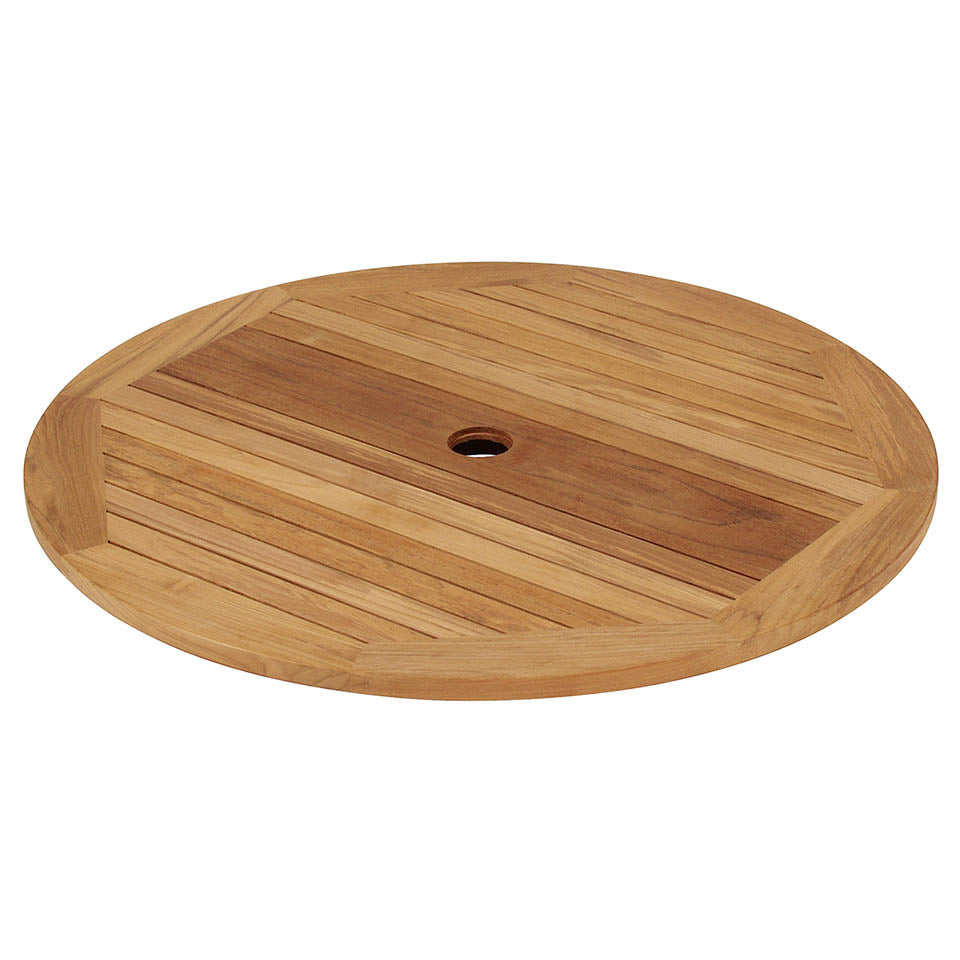
A small round table can work well in a tight patio because it has no sharp corners and makes it easier to move around the table. A compact rectangular table can be a better choice for a narrow garden, particularly when positioned against one side of the space.
Think about where you’ll use the table most often. Placing it close to the house makes carrying food and drinks outside easier. Just remember to leave enough room behind the chairs so people can sit down and get up comfortably.
For a more refined look, choose pieces that share similar materials, colours or finishes. This helps the dining area feel like a deliberate part of the garden rather than something added as an afterthought.
Explore our Outdoor Dining Tables to find options that can complement a compact outdoor dining area.
8. Use Lighting to Extend the Garden Into the Evening
A small garden can feel completely different after sunset. Good lighting adds warmth, defines different areas and lets you continue using the space long after the sun has gone down.
Rather than relying on one bright light, use several softer sources. Wall lights can illuminate dining or seating areas, while low-level lights around planters or pathways can add gentle definition.
Warm lighting tends to create a more relaxed atmosphere. You can also use rechargeable or solar lights where practical, especially if you want to avoid running cables across the garden.
Think about the darker months too. UK evenings arrive much earlier in autumn and winter, so well-placed lighting can make your outdoor space feel useful beyond the height of summer.
Keep fixtures and cables safely positioned away from walkways and areas exposed to water. The aim is to create a subtle glow that highlights the garden without making it feel over-lit.
9. Add Shade Without Losing Floor Space
Shade can make a small garden much more comfortable on sunny days, but bulky structures can quickly reduce the space you have available. The solution is to choose shade that works with your furniture layout rather than competing with it.
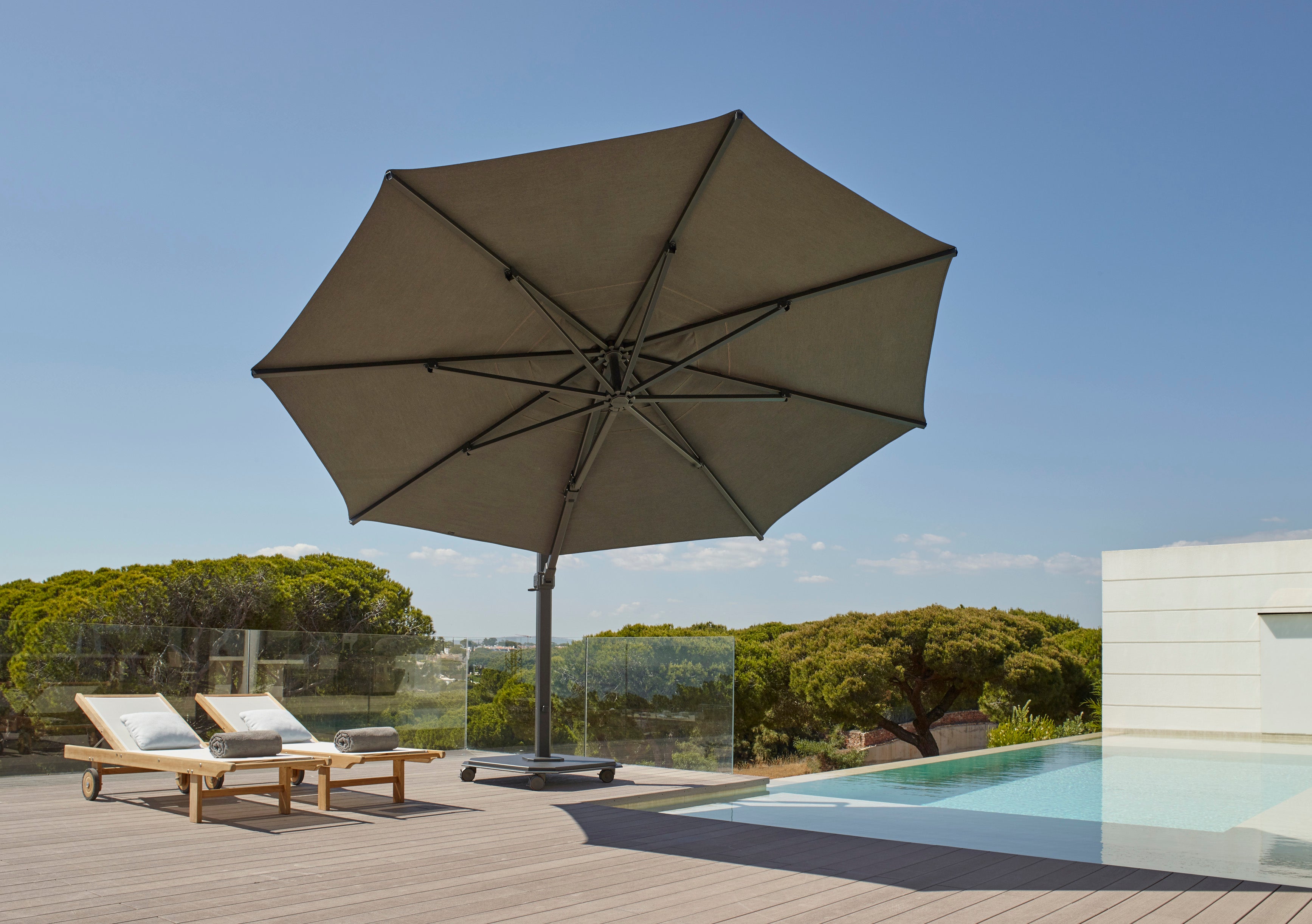
A parasol can be a flexible choice for a compact dining or seating area. Position it over the part of the garden you use most, rather than trying to cover the entire space. This gives you shade where you need it while keeping the rest of the garden open.
For very small patios, consider options that minimise the amount of floor space taken up by the base. Cantilever designs can be useful where the layout allows, while a pergola can provide a more permanent feature in suitable gardens.
Before choosing a parasol, consider how exposed your garden is to wind. A sheltered patio may have different requirements from an open terrace or rooftop space.
For a premium shade solution, explore our glatz parasol collection.
10. Use One Strong Visual Feature
A small garden doesn’t need lots of decorative features to make an impression. In fact, too many competing details can make the space feel busy and smaller than it really is.
Instead, choose one feature that naturally draws the eye. This could be a statement planter, a sculptural piece, a textured wall, a water feature or a striking plant.
You can then repeat small details from that feature elsewhere. For example, if you choose a particular colour for a planter, introduce a similar shade through cushions or accessories. Repeating materials can have the same effect.
Vertical features can also help draw the eye upwards. A tall planter, climbing plant or simple trellis can add height without taking up much floor space.
The luxury approach is often about restraint. One well-chosen feature can have far more impact than a collection of smaller decorations competing for attention.
11. Choose Plants for Year-Round Interest
A small garden should look good beyond the summer months. With a thoughtful mix of evergreen structure, seasonal flowers and interesting foliage, you can keep the space attractive throughout the year.
Start with a few evergreen plants to provide structure during autumn and winter. Then add flowering plants for seasonal colour. Foliage can be just as useful as flowers, especially when you combine different leaf shapes, sizes and textures.
Think about your garden's conditions before choosing plants. A sunny patio will suit different varieties from a shaded courtyard or north-facing garden. Containers can also make it easier to choose plants for specific spots.
For shaded areas, consider options such as ferns, hellebores and other shade-tolerant perennials. The RHS recommends choosing plants according to the type and level of shade rather than treating all shaded areas in the same way.
A balanced planting scheme means your garden still has something to offer when summer flowers have finished. This is particularly valuable in a small space, where every plant has a visible role.
12. Keep the Planting Low Maintenance
A small garden shouldn’t require hours of work every week. Choosing plants that suit your space and grouping them thoughtfully can help you spend less time watering, pruning and replacing plants.
Start with varieties that naturally suit your garden’s light, soil and exposure. Plants that are well suited to their conditions are generally easier to look after than those that constantly need extra care.
Containers can also be kept manageable by grouping plants with similar watering needs. Larger pots are often a good choice because they hold more moisture and tend to dry out more slowly than smaller containers. The RHS also recommends considering container size, drainage and plant requirements when growing plants in pots.
For a budget-friendly approach, work with the plants you already have where possible. Add a few carefully chosen containers, refresh tired areas and introduce seasonal colour gradually rather than replacing everything at once.
For a more premium finish, invest in larger statement planters and established plants. A small number of substantial pieces can give a compact garden structure and impact without creating a cluttered feel.
13. Turn a Small Corner Into an Outdoor Kitchen
You don’t need a huge garden to enjoy outdoor cooking. A compact corner can provide a practical cooking area while leaving enough room for dining and relaxing.
Start by choosing a position that keeps cooking close to the dining area and the house. This makes serving food easier and reduces the amount of space needed for moving between different parts of the garden.
Use the available wall or corner space wisely. Built-in storage can keep cooking equipment organised, while a compact layout can include the features you use most without taking up unnecessary room.
Think about ventilation, safe access and the position of cooking equipment before installation. You should also leave enough space around the kitchen for comfortable movement.
For a refined, space-conscious setup, explore our cubic outdoor kitchen collection. It can help turn an otherwise underused corner into a practical part of your outdoor entertaining space.
14. Use Colour, Materials and Mirrors to Create the Illusion of Space
The right visual choices can make a compact garden feel brighter and more open. You don’t need to change the size of the space to change how it feels.
Start with a simple colour palette. Using similar tones across furniture, planters, walls and accessories can create a more continuous look, while lighter surfaces can help reflect natural daylight.
Vertical lines can also draw the eye upwards. Trellis, tall planters and climbing plants add height without using much floor space.
A carefully positioned garden mirror can create the impression of extra depth. Place it where it reflects greenery or an attractive part of the garden, rather than a plain wall or storage area. Make sure it is securely fixed and suitable for outdoor use.
This approach works particularly well in shaded UK gardens. Where natural light is limited, lighter colours, reflective surfaces and carefully positioned planting can help the space feel brighter without making it look stark.
15. Make the Garden Feel Like an Extension of the Home
One of the easiest ways to make a small garden feel larger is to treat it as an extension of your living space. When the style flows naturally from indoors to outdoors, the garden can feel like another room rather than a separate area.
Start with colours and materials that complement your interior. If your home uses natural wood, neutral tones or soft textures, carry some of those elements outside through furniture, cushions, rugs or planters.
Position dining or lounge furniture close to the house where possible. This makes the transition outdoors feel natural and also makes the garden easier to use for everyday meals, morning coffee or evening drinks.
Lighting can strengthen this connection too. Use similar tones and finishes indoors and outdoors, and choose warm lighting to create a comfortable atmosphere after dark.
Above all, choose outdoor furniture that can cope with Britain's changeable weather while still looking at home with your interior style. The result should feel cohesive, comfortable and considered, rather than like an afterthought.
Budget-Friendly vs Premium Small Garden Upgrades
You don’t need to completely redesign your garden to make a noticeable difference. Small changes can improve the layout and atmosphere, while a few carefully chosen premium pieces can take the space to another level.
Budget-friendly improvements
-
Rearrange existing furniture to create clearer zones.
-
Add a few larger containers instead of lots of small pots.
-
Refresh tired fencing or walls with suitable outdoor paint.
-
Introduce vertical planting with trellis or wall-mounted planters.
-
Add solar or rechargeable lighting where practical.
-
Use seasonal plants to bring colour without committing to a full redesign.
Premium upgrades
-
Invest in fewer, better-quality furniture pieces that suit the scale of the garden.
-
Upgrade the dining area with a well-proportioned table and comfortable seating.
-
Add a high-quality parasol or permanent shade solution.
-
Create a dedicated outdoor cooking area.
-
Use premium planters and carefully selected lighting.
-
Choose durable outdoor materials that are suited to Britain's changing weather.
Luxury doesn’t have to mean filling a small garden with expensive items. In a compact space, quality, proportion and restraint often have a bigger impact than quantity. A few well-chosen pieces can make the garden feel more comfortable, polished and easier to enjoy.
Conclusion
A small garden can still be a place to dine, relax, entertain and enjoy nature. The key is to plan the space around how you actually use it, rather than trying to fit everything into it.
Think vertically with planting, choose furniture that suits the proportions of your garden and leave enough open space for easy movement. Good lighting, practical shade and low-maintenance plants can then make the garden more enjoyable throughout the year.
For a more luxurious finish, focus on quality rather than quantity. Well-made furniture, considered materials and a simple colour palette can turn even a compact patio or terrace into a stylish outdoor retreat.