24 Inspiring North-Facing Garden Ideas to Try Today
Many buyers worry about north-facing gardens. I hear it all the time. “It’ll be dark.” “Nothing will grow.” “We’ll never sit outside.”
But here’s the truth. A lot of those fears are overblown.
Let’s answer the big question straight away: do north-facing gardens get sun? Yes. They absolutely do. A north-facing garden in the UK usually gets 2-4 hours of sun in summer, mainly at the rear. I’ve seen this work wonders when planned properly.
The trick is smart north-facing garden design. You work with the shade, not against it. Picture this. A cool seating spot near the house on a hot July day. A sunny patio right at the back, catching evening rays. Lush green borders that never scorch. Sounds better already, doesn’t it?
A north-facing garden isn’t a problem. In fact, it can be a blessing during heatwaves. Less glare. Less burnt grass. More comfortable afternoons. That softer light can make your space feel calm and private. It brightens things up a treat when done right.
Here, I’m sharing north-facing garden ideas I’ve seen succeed in real UK homes. Big plots. Tiny terraces. Even awkward north garden layouts.
Understanding a North-Facing Garden
Before jumping into the north-facing garden ideas, it helps to understand how the sun actually moves across your plot. Once you “get” the light pattern, everything clicks into place.
In the UK, the sun travels across the southern sky. That means the house itself blocks a lot of direct light at the back. But it doesn’t block all of it.
I’ve stood in dozens of north-facing garden spaces in the UK with clients, and every single one had brighter and darker zones. That’s the key. It’s rarely all shade.
Let’s break it down properly.
Does a North-Facing Garden Get Sun?
Short answer? Yes.
Longer answer? It depends on the season and layout.
In summer:
● The rear of the garden often gets 2-4 hours of sun.
● If your fences are low, you might get more.
● Evening light can reach patios at the back.
In spring and autumn:
● You’ll see softer afternoon sun at the rear.
● The middle sections may get partial light.
In winter:
● Very little direct sun.
● But light still filters through.
So when people ask, “Does a north-facing garden get sun?” the honest answer is yes, mainly at the back in warmer months. That’s your golden zone.
Understanding your north-facing garden's sun pattern in the UK makes a world of difference. Spend a day watching it. You’ll notice pockets of brightness.
Is a North-Facing Garden Good?
I get asked this constantly. Is a north-facing garden good?
It can be brilliant. Honestly.
Pros:
● Cooler in summer heatwaves
● Grass is less likely to scorch
● Great for shade-loving plants
● Softer light for relaxing
● Often more privacy
Cons:
● The lawn can grow more slowly
● Moss can appear in damp areas
● Less sun for sun-loving veg
But here’s what I’ve seen time and again. With a smart north-facing garden design, the downsides shrink fast. Raised beds at the rear. Light paving. Reflective paint on fences. Suddenly, the space feels brighter.
A north garden isn’t second best. It’s just different.
And once you stop fighting the shade, your whole approach changes.
Best Plants for North-Facing Garden Spaces
Now we’re getting to the fun bit. Plants.
One of the biggest myths I hear is, “Nothing grows in a north-facing garden.” Not true. You just need the right ones. I’ve seen tired, patchy plots turn lush and layered in a single season once the planting was sorted.
If you’re planning your own north-facing garden ideas, this section will save you a lot of trial and error.
Shade-Loving Plants
These are your heroes. They cope well with a lower north-facing garden sun and actually prefer it.
Some of my go-to plants for north-facing garden spaces:
● Hostas - Big leaves. Great texture. Slugs love them, though, so keep an eye out.
● Ferns - Perfect for that soft, woodland feel.
● Hellebores - Winter flowers when everything else looks tired.
● Heuchera - Colourful leaves that brighten dark corners.
● Foxgloves - Tall and dramatic. Brilliant in British gardens.
● Hydrangeas - I’ve seen these thrive in partial shade. They really lift a north garden.
These plants don’t just survive. They thrive. And they give that cool, green look that many south-facing gardens struggle to keep in heatwaves.
Shrubs for Structure
In a north-facing garden UK climate, structure matters. Winter can look bare otherwise.
Reliable shrubs include:
● Sarcococca - Small white flowers and lovely winter scent.
● Skimmia - Glossy leaves and bright berries.
● Aucuba - Often called the “spotted laurel.” Tough as old boots.
● Camellia - Early spring flowers. Best in sheltered spots.
The RHS has brilliant guidance on shade shrubs if you want deeper detail. I often point clients there for plant care basics.
Climbers
Climbers are a clever north-facing garden design trick. They use vertical space without blocking light.
Try:
● Ivy - Hardy and evergreen.
● Climbing hydrangea - Fantastic on north walls.
● Honeysuckle - Works better toward the sunnier rear.
These soften fences and make a north garden feel cosy rather than closed in.
Vegetables & Herbs
Yes, you can grow food. Just be realistic about light.
In the brighter rear zone:
● Mint
● Parsley
● Chives
● Lettuce
● Spinach
● Kale
Leafy greens cope well with partial shade. Fruit crops like tomatoes need more sun, so they’re trickier.
When people ask me, “Is a north-facing garden good for growing?” I say it depends on what you grow. Choose wisely, and you’ll be pleasantly surprised.
List of 24 North-Facing Garden Ideas
Let’s slow this down and really dig in. These north-facing garden ideas aren’t quick one-liners. I want you to properly picture them in your own space. Every idea below works with typical British weather and real north-facing garden sun patterns.
1. Create a Sunny Patio at the Rear
In most north-facing garden UK layouts, the back fence line gets the strongest summer sun. It might only be 2-4 hours, but that’s your golden window. So don’t waste it.
Place your main dining or lounge area there. I’ve seen gardens completely transformed just by shifting furniture 10 metres down the plot. Suddenly, evening meals feel warm instead of chilly.
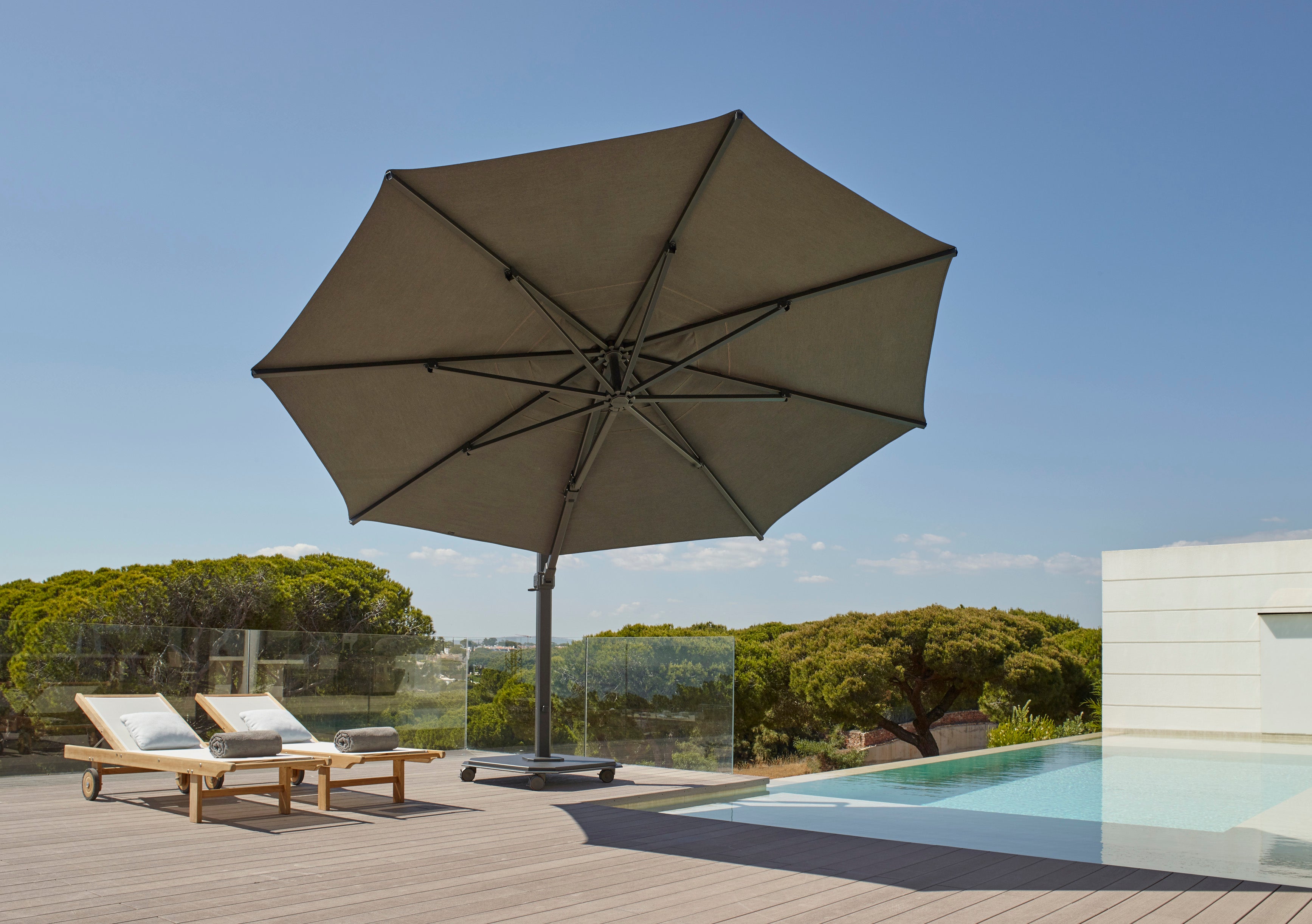
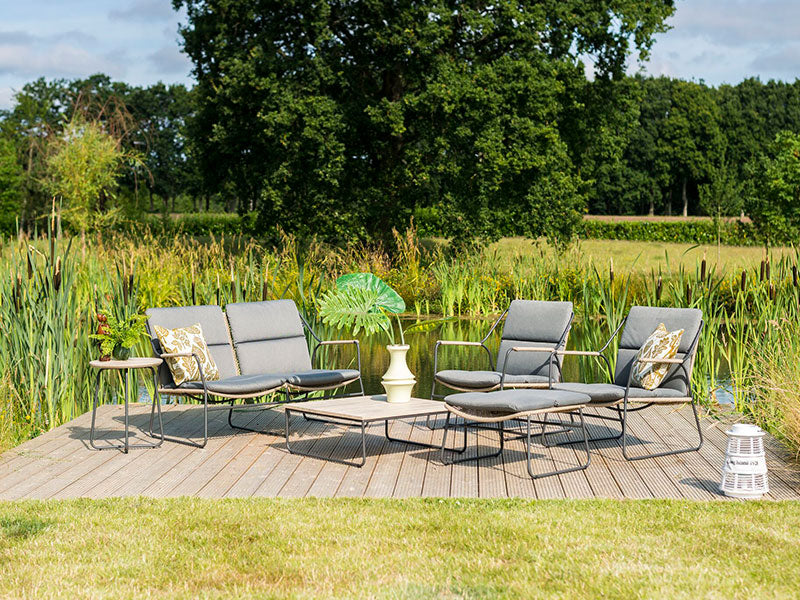
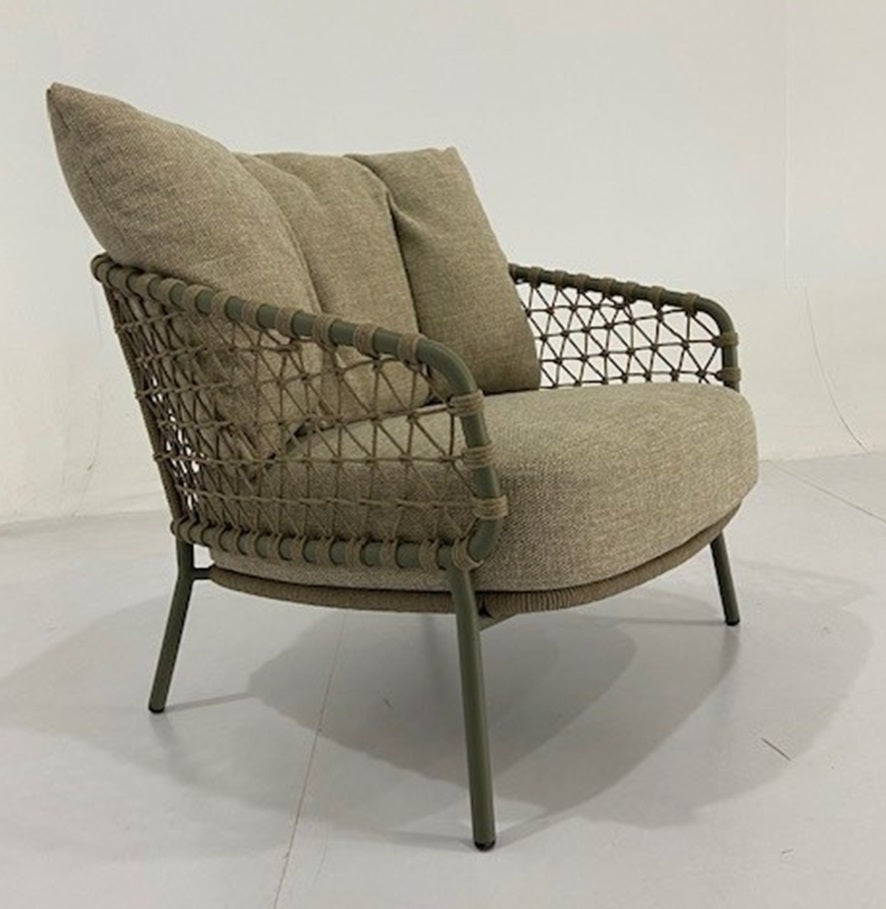
Use light-coloured paving like sandstone or pale porcelain to reflect light. It lifts the whole space. For furniture, go for weather-resistant sets — brands like Barlow Tyrie and 4 Seasons Outdoor Furniture are solid choices for our damp winters.
Position matters more than direction. Get that right, and everything changes.
2. Turn the Shaded Area Near the House into a Cool Retreat

The space closest to the house in a north-facing garden gets the least direct sun. Instead of fighting it, use it.
Create a shaded lounge zone with comfortable seating. During heatwaves, this becomes the best seat in the house. While south-facing gardens roast, yours stays pleasant.
Add layered planting around it — hostas, ferns, and hydrangeas work beautifully here. The softer light actually flatters foliage.
I’ve seen clients who once complained about shade end up loving this part most in summer. Funny how that works.
3. Paint Fences in Soft, Light Shades

Dark brown fencing absorbs what little light you have. In a north garden, which can feel heavy.
Switch to pale grey, sage, stone, or even muted cream. It reflects daylight and brightens things up a treat.
One client of mine repainted over a weekend. On Monday, she messaged saying it felt like a bigger garden. Same space. Different light bounce.
It’s one of the easiest north-facing garden ideas and doesn’t require structural work. Small change. Big payoff.
4. Install Layered Garden Lighting

North-facing garden sun might be limited, but evenings can still shine.
Layer your lighting properly:
● Uplights on trees or shrubs
● Soft wall lights
● Path lights for safety
● Warm festoon strings overhead
Lighting adds depth. It creates atmosphere. It also makes shaded areas feel cosy rather than gloomy.
In the UK, we often use gardens more in the evening anyway. Good lighting makes a world of difference.
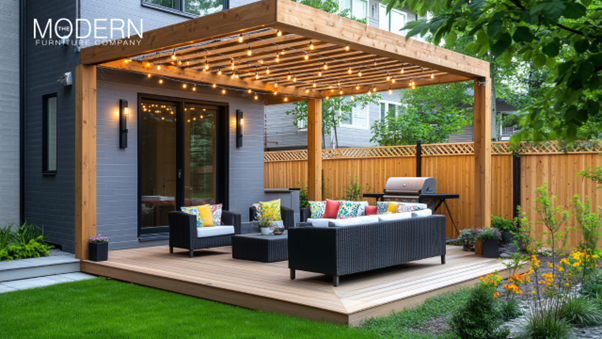
5. Build a Pergola in the Brightest Spot

A pergola placed at the rear, where the sun hits, can frame your brightest zone beautifully.
Let climbers trail across it. Clematis works well. So does honeysuckle toward sunnier sections.
This kind of north-facing garden design adds height without blocking light. It defines space without making it feel boxed in.
Picture fairy lights woven through beams. Summer evenings. Soft glow. It doesn’t feel “north-facing” at all.
Also read - 20 Modern Pergola Ideas to Transform Your Garden Space
6. Swap Struggling Lawn for Gravel in Heavy Shade

If the grass near the house always looks thin or mossy, stop battling it.
Shade plus damp soil is tough for turf. Gravel handles it better. Choose a pale gravel to reflect light and prevent the space from feeling dark.
Add stepping stones for structure. Plant shade-lovers along the edges to soften the look.
I’ve seen people fight their lawn for years in a north-facing garden. A simple switch to gravel solved the issue almost overnight.
7. Create a Woodland-Style Corner

Instead of trying to copy Mediterranean planting, lean into the shade.
Woodland planting suits a north garden perfectly. Ferns. Hellebores. Textured leaves. Bark paths. Logs for seating.
The softer British light enhances green tones beautifully. It feels calm and natural.
I’ve helped redesign a few small north-facing front garden design ideas this way, too. Even compact spaces can carry woodland charm if layered properly.
8. Add a Compact Water Feature

Water features often struggle in full sun due to algae. In a north-facing garden, they behave much better.
A simple bowl fountain or slim wall feature works well. The sound of moving water softens traffic noise and makes the space feel more peaceful.
Place it where you can see it from indoors. Even in winter, when north facing garden sun UK homes receive is minimal, the movement keeps the garden feeling alive.
Subtle additions like this shift the mood entirely.
9. Use Raised Beds in the Sunniest Strip

If you’re wondering how much sun does a north-facing garden get, walk to the rear on a summer afternoon. That’s your growing zone.
Raised beds elevate plants slightly and improve drainage. Leafy greens like spinach, lettuce, and chives cope well with partial sun.
Raised beds also add structure to long, narrow north garden layouts.
Even in smaller spaces, a slim raised planter along the brightest fence can be productive.
10. Go Vertical with Wall Planters

When ground space is limited, think upwards.
Wall-mounted planters add colour and texture without eating into patio areas. They’re brilliant in narrow terraces.
Use trailing plants to soften hard lines. In a north-facing garden design, vertical elements help draw the eye upward and create the feeling of height.
It’s a smart trick for small north-facing front garden design ideas where space is precious.
Also read - 21 Outdoor Kitchen Ideas for UK Gardens in Every Season
11. Choose Pale Paving Materials

Material choice has more impact than people expect.
Dark slate can make a north-facing garden feel heavier. Pale sandstone or light porcelain reflects daylight.
I’ve seen patios look noticeably brighter after switching materials. It’s subtle but effective.
This works especially well when combined with light fencing and reflective surfaces
12. Add Built-In Bench Seating with Storage

Bench seating along a fence keeps things streamlined and saves space.
Add hidden storage underneath for cushions and tools. It keeps clutter down.
If you want to extend usage into cooler evenings, consider subtle overhead warmth. Heatsail heaters are sleek and don’t feel bulky in modern gardens.
Comfort changes behaviour. When seating feels inviting, you use the garden more - even in shade.
13. Plant Hydrangeas for Bold, Reliable Colour

If someone asks me for the best plants for north-facing garden spaces, hydrangeas are always near the top of the list.
They actually prefer partial shade. Too much harsh sun can scorch them. In a north-facing garden, especially one that gets afternoon light at the rear, they thrive.
Plant them where they’ll catch summer brightness, but avoid deep, dry shade right against the house. Their large blooms fill empty corners beautifully and soften fences instantly.
I’ve seen dull patios transformed just by adding three well-placed hydrangeas. Big impact. Very little fuss.
14. Mix Lawn and Decking to Balance Shade

Many north-facing garden owners assume they must remove all grass. Not true.
Instead, divide the space by light levels. Keep the lawn where it tolerates shade reasonably well, usually mid-garden. Add decking at the rear where the north-facing garden sun is strongest.
Decking dries faster than grass after rain, which is handy in the UK. It also defines a social zone.
This split layout is one of my go-to north-facing garden ideas because it respects how light actually moves.
15. Add Outdoor Rugs and Soft Furnishings

Shade can feel cooler, even in July. That doesn’t mean it has to feel cold.
Outdoor rugs, cushions, and throws warm up the space visually and physically. Choose weather-resistant fabrics so you’re not constantly running indoors when clouds roll in.
I’ve seen homeowners take inspiration from brands like Manutti when styling their patios. It’s about comfort as much as planting.
When seating feels inviting, you use it more. Simple as that.
16. Use Evergreen Shrubs for Year-Round Structure

Winter is when a north-facing garden can feel flat. Less light. Bare branches.
Evergreens solve that.
Skimmia, aucuba, and sarcococca keep their leaves through winter and add texture when everything else drops back. Some even give berries or scent.
In a north-facing garden UK climate, structure matters. I always tell clients to plan for February, not just July.
A garden that holds shape year-round feels intentional.
17. Create a Fire Pit Zone for Cooler Evenings

Shade plus British weather means evenings can cool quickly.
A small fire pit creates a natural focal point. It draws people together. It also makes the garden usable from spring through autumn.
I’ve seen families who barely stepped outside start hosting friends once they added a simple fire bowl.
People often ask, is a north-facing garden good for entertaining? With warmth added, absolutely yes.
18. Install Outdoor Mirrors to Reflect Light

Mirrors aren’t just for tiny bathrooms. They work in gardens too.
Placed carefully, they reflect available light from the rear of the garden into darker corners. They also create the illusion of depth.
In narrower north garden layouts, this trick can make the space feel wider. Just avoid placing mirrors directly opposite seating to prevent glare.
It’s a subtle north-facing garden design move. But when done well, it’s clever.
19. Grow Climbing Hydrangea on North Walls

Some walls never see direct sun. Instead of leaving them bare, plant for them.
Climbing hydrangea thrives on north-facing brick. It attaches naturally and produces delicate flowers in summer.
It softens harsh surfaces and makes a solid wall feel alive.
I’ve used this many times in small north-facing front garden design ideas where vertical interest is essential.
20. Add Stepping Stones Through Shadier Lawn

Shaded grass can stay damp longer after rain. That often leads to muddy footpaths forming naturally.
Install stepping stones where people actually walk. It protects turf and improves drainage.
Choose a lighter stone to reflect brightness. It breaks up green space and adds character at the same time.
It’s practical and attractive. A rare combination.
21. Position a Garden Office at the Brightest End

If you’re adding a garden room or office, placement is everything.
In a north-facing garden, the rear often receives the strongest summer sun. That’s where your structure should go.
It will feel lighter inside and more pleasant to work in. Add glazing that captures afternoon light without overheating.
Direction doesn’t define usability. Smart positioning does.
22. Use Containers to Follow the Sun

Pots give flexibility. And flexibility is gold in a north-facing garden.
Move them to chase the brightest spots as seasons change. In summer, group them at the rear. In spring, shift them slightly forward if the light reaches further.
If you’re still figuring out how much sun does a north-facing garden gets in your exact layout, containers let you experiment safely.
It’s one of the most adaptable north-facing garden ideas around.
23. Plant a White and Pale Colour Scheme

In lower light, white and pale blooms glow beautifully.
White foxgloves, pale hydrangeas, and soft pink astilbe stand out without feeling harsh. They almost shimmer in shade.
I’ve seen dark corners completely lifted by a simple colour shift.
In a north-facing garden UK setting, softer tones often outperform bold reds and oranges that need strong sun to shine properl
24. Embrace the Shade as a Summer Advantage

Here’s the mindset shift.
During UK heatwaves, south-facing gardens can become unbearable. Patio stones scorch. Seating feels too hot.
A north-facing garden stays cooler. The shaded zone near the house becomes the perfect retreat.
Instead of asking does a north-facing garden get sun, sometimes the better question is: do you always want it?
When you work with the light you have, a north garden can feel calm, green, and surprisingly comfortable.
Small North-Facing Garden Ideas
Now let’s talk about tighter spaces. Because honestly, most UK gardens aren’t huge. And when you mix “small” with “north-facing garden”, people really start to worry.
I get it. Limited space. Limited light. Feels like a double challenge.
But small north-facing front garden design ideas can be incredibly charming when done right. In fact, smaller spaces are often easier to control.
First, keep things simple. Don’t cram in too many features. One clear seating spot. One main planting border. Maybe a vertical element. That’s enough.
Go Vertical Wherever You Can
If ground space is tight, use walls and fences. Climbing hydrangea, wall planters, or slim trellis panels add greenery without blocking light.
Vertical planting draws the eye upward. That makes a compact north garden feel taller and less boxed in.
Use Light Colours to Open It Up
Pale paving. Light fencing. Even lighter plant foliage. All of it helps reflect available north-facing garden sun.
I once worked on a tiny terrace where we painted the back wall soft stone grey and laid pale porcelain tiles. The owner said it felt like it gained an extra metre. Same footprint. Better light bounce.
Keep Furniture Slim and Raised
Bulky sofas swallow space. Choose slimline bistro sets or benches with visible legs. Raised furniture allows light and sightlines to flow underneath.
If you want something stylish but weather-tough, look for quality builds similar to what brands like Barlow Tyrie produce — clean lines, not oversized shapes.
Focus on One Focal Point
In a small north-facing garden design, clutter kills the vibe.
Pick one feature:
● A water bowl
● A small fire pit
● A statement hydrangea
● A neat raised planter
That focal point anchors the space.
And here’s something important. In smaller plots, you often get less shadow cast by tall fences, especially if boundaries are low. So always check how much sun does a north-facing garden gets in your exact layout before assuming the worst.
Small doesn’t mean dark. It just means thoughtful.
Also read - 15 Small Bedroom Ideas to Maximise Space
FAQs
1. Do north-facing gardens get sun in the UK?
Yes, they do.
A typical north-facing garden UK layout gets the most sun at the rear in summer. You’ll usually see around 2–4 hours of direct light on a clear day, sometimes more if fences are low.
In winter, direct sun is limited. But the garden still gets daylight. It’s rarely pitch dark like people imagine.
2. How much sun does a north-facing garden get overall?
It depends on:
● Fence height
● House height
● Garden length
● Nearby trees
Longer gardens often get better light at the back. Shorter ones may get less.
The best way to know? Watch your space on a sunny day in June. That tells you more than any general rule.
3. Does a north-facing garden get sun in winter?
Very little direct sun, especially close to the house.
The sun sits lower in the sky during UK winters. That increases shadow length. So planning for an evergreen structure becomes important.
This is why north-facing garden design should consider all seasons, not just summer.
4. Is a north-facing garden good for families?
Honestly? It can be brilliant.
In heatwaves, shaded patios feel comfortable. Children can play without intense glare. Plants are less likely to scorch.
While some sun-loving crops may struggle, many families appreciate the cooler feel.
So yes — a north garden can absolutely work well.
5. What are the best plants for north-facing garden spaces?
Go for shade-friendly options like:
● Hostas
● Ferns
● Hydrangeas
● Hellebores
● Skimmia
● Climbing hydrangea
These plants for north-facing garden areas cope well with lower north-facing garden sun levels and suit the British climate beautifully.
The RHS has great guidance if you want deeper planting advice.
6. Are small north-facing front garden design ideas harder to get right?
Not necessarily.
Small spaces just need a clearer structure. Use vertical planting. Keep colours light. Avoid bulky furniture.
In fact, smaller north-facing garden ideas can feel cosy and intimate when done well.
It’s less about direction. More about smart layout.
Conclusion
A north-facing garden isn’t a problem. It’s just different.
Yes, the north-facing garden sun pattern means most direct light lands at the rear in summer. But once you understand how much sun does a north-facing garden gets in your own space, you can design around it.
The best north-facing garden ideas don’t fight the shade. They place seating where the light actually falls. They use the cooler area near the house as a summer retreat. And they focus on the best plants for north-facing garden spaces instead of forcing sun-loving varieties to struggle.
I’ve seen so many UK homeowners change their minds once they stop comparing their north garden to a south-facing one.
Work with what you’ve got. Use the light wisely. Embrace the calm feel shade brings.