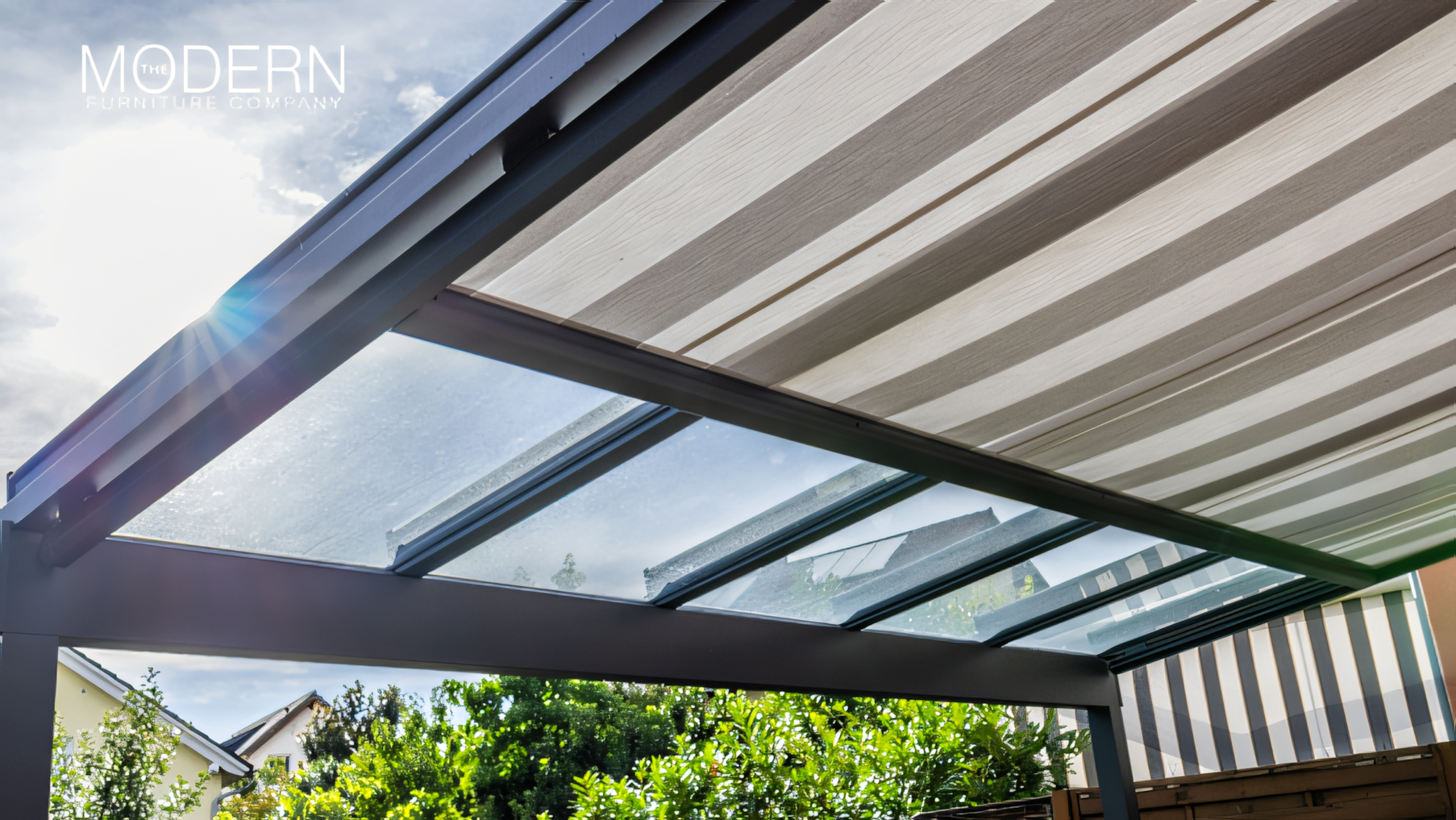
Rain, wind, and strong sun can make a patio hard to use. I’ve seen many homes where the outdoor space just sits there. No one uses it for months. It feels like wasted space.
The fix is simpler than you think. The right patio cover ideas can turn things around fast. You don’t need a huge budget or a full rebuild.
Here, I’m sharing patio cover ideas that work in real homes. Some are quick DIY patio cover setups. Others are more solid builds that last for years.
You’ll see outdoor patio covers, backyard pergola designs, and smart patio shade ideas. There are retractable patio covers for flexible shade and a lean-to patio cover for tight spaces.
I’ve also added alumawood patio covers, wooden patio covers, and clean modern patio covers. If you like simple options, there are patio awning ideas and affordable patio covers, too.
Each idea covers cost, pros, and installation tips. You’ll also find patio gazebo ideas and patio roof ideas that handle rain well.
The goal is simple. More comfort. More style. More time outside without worrying about the weather.
1. Retractable Awning

If you want something simple that just works, this is it. I’ve put these up for a few friends, and they love how easy it is. Pull it out when the sun gets sharp. Roll it back when you want open sky. No hassle.
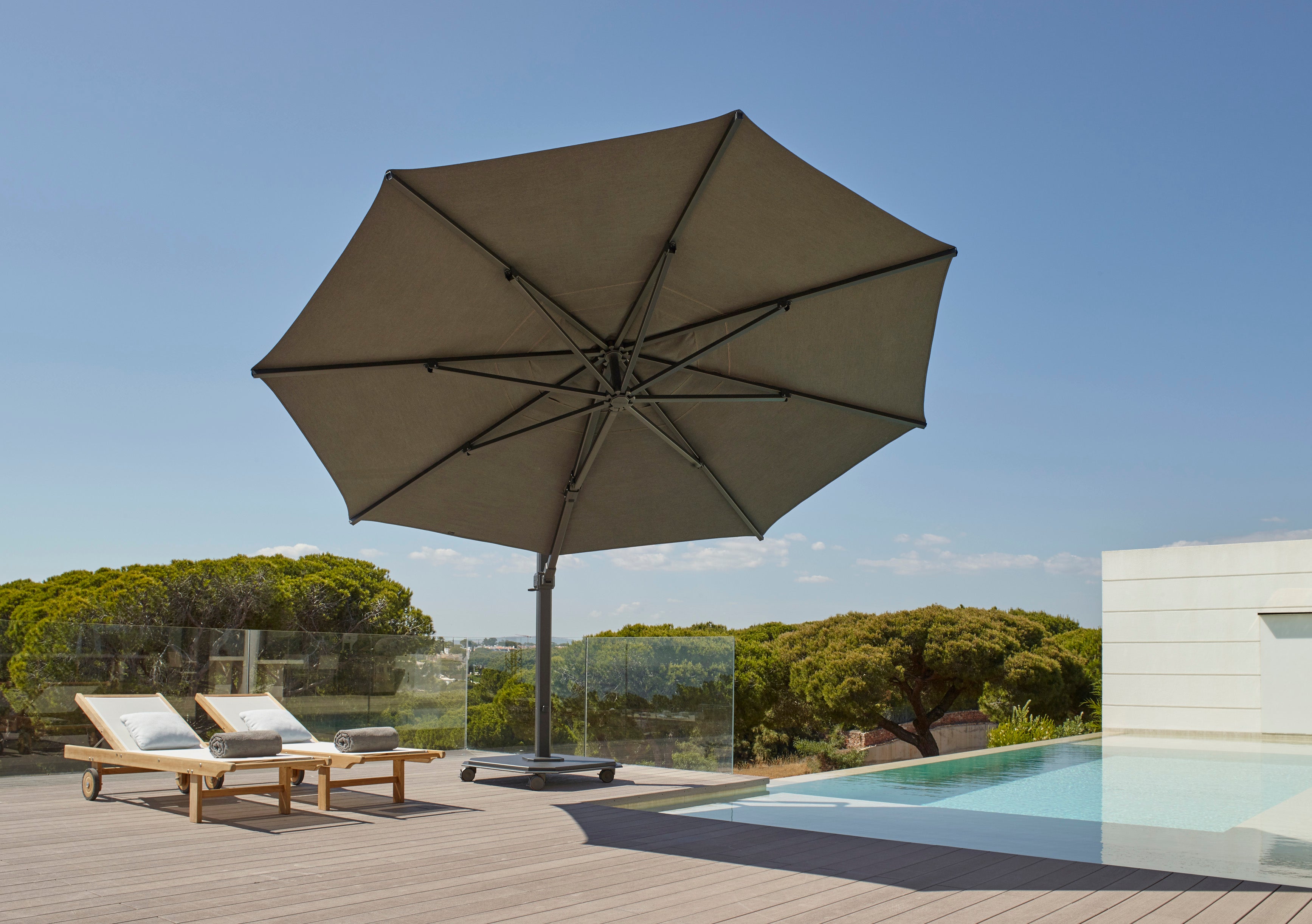
Retractable patio covers are a solid pick for small spaces. They mount right onto the wall, so you don’t lose floor area. I’ve seen them blend in well with both older homes and modern patio covers. They’re also one of the quickest outdoor patio covers you can add without tearing things apart.
When it comes to setup, manual ones are pretty DIY-friendly. Just take your time with measurements and bracket placement. If you go for a motorised version, it’s better to call in a pro. Wiring needs to be done right.
If you’re exploring patio awning ideas or simple patio shade ideas, this one is hard to beat.
2. Pergola with Climbers

This one feels more like a garden feature than just a cover. I’ve helped build a few, and once the plants grow in, it changes the whole vibe. It starts simple, but give it a season or two, and you’ve got natural shade that looks amazing.
Aluminium pergolas are a big part of backyard pergola designs. You can go with wood or metal frames. Then add climbers like ivy or jasmine. Over time, they create a soft roof that filters sunlight instead of blocking it harshly.
It’s not a full rain cover, though. Light drizzle is fine, but heavy rain will still get through. Still, for relaxed seating and weekend hangouts, it works great.
Setup is pretty doable if you like DIY work. Many kits come ready to assemble. Just make sure the base is level and the posts are fixed well. If you’re using wooden patio covers, treat the wood early so it lasts longer.
If you’re after patio shade ideas that feel natural and calm, this one’s a winner.
3. Lean-To Polycarbonate Roof

This is one of the most practical builds I’ve done. It attaches right to the house, so it feels like an extension, not a separate structure. If your patio sits along a wall, this setup just makes sense.
A lean-to patio cover uses a slight slope to push rainwater away. Add polycarbonate sheets on top, and you get a roof that’s tough but still lets light through. So your space stays bright, even on cloudy days.
It handles rain well. I’ve seen these hold up through long wet spells without trouble. It’s a solid choice if you want something more reliable than fabric or open frames.
For installation, getting the angle right is key. Too flat, and water can pool. Most people can handle the frame, but sealing it to the wall properly matters. If you’re unsure, bring in a pro for that part.
If you’re exploring patio roof ideas or need strong outdoor patio covers, this one checks a lot of boxes.
4. Alumawood Solid Cover

This one’s for folks who like the look of wood but don’t want the upkeep. I’ve seen this work wonders for busy homeowners. It looks like timber from a distance, but it’s actually aluminium. So no rot, no warping, no constant sealing.
Alumawood patio covers are strong and clean-looking. They fit right in with modern patio covers but can also match more classic spaces. The solid roof blocks sun and rain fully, so you can use the patio almost anytime.
It’s a great pick if you want proper shelter. I’ve seen families use these for dining setups, and even light outdoor kitchens. Once it’s up, you don’t have to think about it much.
Installation is not really a DIY job. The frame needs to be fixed well, and panels have to sit tight. A good installer will get it level and secure.
If you want long-term outdoor patio covers without the hassle of wooden patio covers, this is a solid option.
5. Sail Shade

This one’s quick, cheap, and looks pretty sharp when done right. I’ve used sail shades for small patios and even odd corners where nothing else fits. You just stretch the fabric between a few strong points, and you’re set.
Sail shades are popular patio shade ideas for a reason. They give decent sun cover without making the space feel closed in. You can play around with shapes too. Triangles, squares, even layered setups if you want more coverage.
They’re not built for heavy rain, though. Light drizzle is fine, but water can pool if the angle isn’t right. I always tell people to tilt one side lower so rain runs off.
Setup is simple. Most DIY patio cover setups can handle this. Just make sure your anchor points are strong-walls, posts, or metal brackets. Loose fixing is where people mess up.
If you’re after affordable patio covers or quick outdoor patio covers without much work, this one does the job nicely.
6. Gazebo

If you want something that feels like a proper outdoor room, a gazebo does the trick. I’ve set up a few for family gatherings, and once it’s in place, people naturally gather there. It gives a nice sense of space without being fully closed off.
Patio gazebo ideas work well for bigger patios or open garden areas. Most come with a solid frame and a fabric or metal roof. Some even have side curtains, which help with wind and a bit of privacy.
It’s a good pick if you want full coverage without attaching anything to your house. You can place it where it suits your layout. That flexibility helps a lot.
Setup depends on the type. Many kits are DIY-friendly, but you’ll need a level base. I always suggest anchoring it well, especially if your area gets strong winds.
If you’re looking for outdoor patio covers that feel cozy and a bit private, a gazebo is a solid choice.
7. Louvered Roof System

This one feels a bit fancy, but I’ve seen it turn a plain patio into a proper hangout spot. The roof has slats that tilt open and closed. So you control how much sun or shade you get. Pretty handy on days when the weather keeps changing.
Louvered setups are popular in modern patio covers. Most are made from powder-coated aluminium, so they hold up well in rain and don’t rust easily. Close the slats, and you’ve got solid cover. Open them, and fresh air comes through.
It’s great for both sun and light rain. Some systems even channel water away through built-in drains. That keeps the area dry without much effort.
This isn’t really a DIY job. There are moving parts, and everything needs to line up right. A pro install makes a big difference here.
If you’re browsing patio roof ideas that offer control and a clean look, this one stands out fast.
8. Fabric Canopy

This one feels soft and relaxed. I’ve used fabric canopies for a few small patios, and they give a nice, easy vibe. Nothing too heavy. Just a simple cover that makes the space feel more inviting.
Fabric canopy setups work well if you don’t want anything permanent. You stretch the fabric over a frame or wires. It gives shade without blocking all the light. Good for lazy afternoons when you just want to kick back.
They’re not the best for heavy rain, though. I usually tell people to take them down in rough weather or at least keep them tight so water doesn’t sag in the middle.
Setup is pretty simple. Most DIY patio cover builds can handle this. Just keep the fabric pulled tight and fix the corners well. Loose fabric is where problems start.
If you’re exploring patio shade ideas or lightweight outdoor patio covers, this is a nice, easy option.
9. Glass Patio Extension

This one feels like bringing the indoors outside. I’ve seen it done on a neighbor’s place, and it completely changed how they use their patio. Even on rainy days, they’re out there with a cup of tea.
A glass setup uses clear panels with slim frames. It keeps the space bright while blocking wind and rain. So you don’t lose that open feel. It fits really well with modern patio covers and clean designs.
It’s a great option if you want full protection. You can add lights, furniture, even heating later. Makes it usable almost all year without worrying about the weather.
This isn’t a DIY project. The structure needs to be sealed properly and fixed strong. Glass panels also need careful handling. A pro team is the way to go here.
If you’re looking into patio roof ideas that add comfort and a bit of value to your home, this one stands out.
10. Wooden Trellis Cover

This one’s simple, and I’ve built a few of these over the years. It’s just a light wooden frame with gaps across the top. Doesn’t block everything, but it takes the edge off strong sun.
Wooden patio covers like this fit well in garden spaces. You can leave it as is, or add climbers later. I’ve seen vines slowly cover the top, and it looks great after a while.
It won’t stop rain much, though. Think of it more as soft shade than full cover. Still, for everyday use, it does the job without feeling heavy.
Setup is pretty straightforward. If you’ve handled basic tools, you can build this as a DIY patio cover. Just make sure the posts are firm and the wood is treated early. That helps it last longer.
If you want patio shade ideas that feel natural and low effort, this one’s a solid pick.
11. Corrugated Metal Roof

This one is all about strength. I’ve used corrugated sheets on a few patios where rain was a real problem. Once it’s up, you don’t have to worry much. It just handles the weather.
The metal sheets sit on a simple frame, often wood or steel. They’re tough and last a long time. Great choice if you want solid patio roof ideas that don’t need constant care.
It does make noise when it rains. Some people like that sound. Others don’t. Just something to think about before you pick it.
For setup, the frame needs to be level and strong. Sheets should be fixed tight so they don’t rattle in wind. Many people can handle this as a DIY patio cover, but getting the spacing right matters.
If you need outdoor patio covers that can deal with heavy rain and still look clean, this one gets the job done.
12. Curved Polycarbonate Cover

This one adds a bit of style without getting too fancy. I’ve seen these on a few homes, and they stand out right away. The curved shape looks neat, but it also helps water slide off fast.
The panels are usually clear or lightly tinted. So you still get daylight coming through. That keeps the patio bright, even when the sky is dull. It fits well with modern patio covers and clean outdoor setups.
It handles rain better than flat designs. Less chance of water sitting on top. That’s a big plus if your area gets steady showers.
For installation, the curve needs proper support. The frame has to be fixed right, or it won’t sit well. This is one of those builds where calling a pro saves trouble later.
If you’re checking patio roof ideas that mix looks and function, this one is worth a look.
13. Modular DIY Kit

This is the one I suggest when someone wants a quick upgrade without too much guesswork. I’ve helped a couple of friends set these up over a weekend. Everything comes pre-cut, so you’re not starting from scratch.
Modular kits are built for easy assembly. You get frames, panels, and fixings all in one box. Some look like pergolas, others more like solid patio roof ideas. Good mix depending on what you need.
They’re a nice middle ground. Not as basic as a simple DIY patio cover, but not as complex as a full custom build either. You still get decent strength and a clean finish.
Setup is pretty straightforward. Just follow the steps and take your time with alignment. A second pair of hands helps a lot, especially when lifting frames into place.
If you want affordable patio covers that are easy to manage and still look good, this is a solid way to go.
Best Materials for Patio Covers
I’ve worked with all kinds of materials over the years. Some last longer. Some are easier to handle. Picking the right one makes a big difference in how your patio holds up.
Here’s a simple way to compare the common options:
|
Material |
Durability |
Cost Level |
Maintenance |
|
Wood |
Medium |
Medium |
Needs regular sealing or staining |
|
Aluminium |
High |
Medium–High |
Very low, just basic cleaning |
|
Fabric |
Low |
Low |
Needs frequent checks and replacement |
|
Polycarbonate |
High |
Medium |
Low, occasional wash keeps it clear |
If you want something long-term, aluminium or polycarbonate is a safe bet. I’ve seen them last years with barely any effort.
Wood looks great, no doubt. But it needs care. Skip maintenance, and it won’t age well.
Fabric is fine for short-term or budget setups. Just don’t expect it to last forever.
How to Choose the Right Patio Cover
Picking the right cover isn’t hard, but a few small choices can make a big difference. I’ve seen people rush it and regret later. So it’s worth thinking it through.
First, look at your space. A small patio works better with compact options like a lean-to patio cover or retractable patio covers. Bigger areas can handle pergolas or patio gazebo ideas without feeling crowded.
Next is your budget. If you’re keeping things tight, go for affordable patio covers like fabric shades or a basic DIY patio cover. If you can spend more, solid builds like alumawood patio covers or metal roofs last longer.
Weather matters a lot. If your area gets steady rain, skip open designs. Go for strong patio roof ideas like polycarbonate or metal. They handle water better and need less upkeep.
Think about maintenance too. Wooden patio covers look great, but they need care. Aluminium options are easier to live with day to day.
Lastly, check local rules if you’re building something fixed. Better to know early than fix it later.
Pick something that fits your lifestyle, not just your patio.
Conclusion
A good patio cover can change how you use your space. I’ve seen patios go from empty to the most used spot in the house. It doesn’t take much. Just the right choice.
Some people go for simple fixes like a DIY patio cover or fabric shade. Others invest in solid builds like alumawood patio covers or metal roofs. Both can work well. It depends on your space, budget, and how often you plan to use it.
If rain is your main issue, stick with strong patio roof ideas. If you want flexibility, retractable patio covers are a smart pick. And if you like a natural look, wooden patio covers or pergolas do the job nicely.
The goal is simple. More comfort. More time outside. Less worry about the weather.
Take a look at your patio and start small if needed. Even a basic setup can make a big difference.
Got a favorite idea? Try it out and see how it changes your space.
FAQs
1. What are the best patio cover ideas for all-weather use?
If you want something that works year-round, go for solid builds. Polycarbonate roofs, metal covers, or alumawood patio covers hold up well in rain and sun. I’ve seen these last for years with very little trouble.
2. Are retractable patio covers worth it?
Yes, if you like flexibility. You can open them up on nice days and close them when the sun gets too strong. Just keep in mind, they’re better for shade than heavy rain.
3. Can I build a DIY patio cover myself?
You can, no problem. Simple setups like wooden frames, sail shades, or modular kits are very doable. Just take your time and get the base and support right.
4. What is the most affordable patio cover option?
Fabric shades and basic DIY patio cover builds are the cheapest. They’re quick to set up and work well for light use.
5. Which patio cover is best for rain?
Solid patio roof ideas like corrugated metal or polycarbonate are the safest choice. They push water off easily and don’t need much upkeep.
6. Do patio covers add value to a home?
Yes, they do. A well-built cover makes the space more usable, and buyers notice that. I’ve seen it help homes stand out.