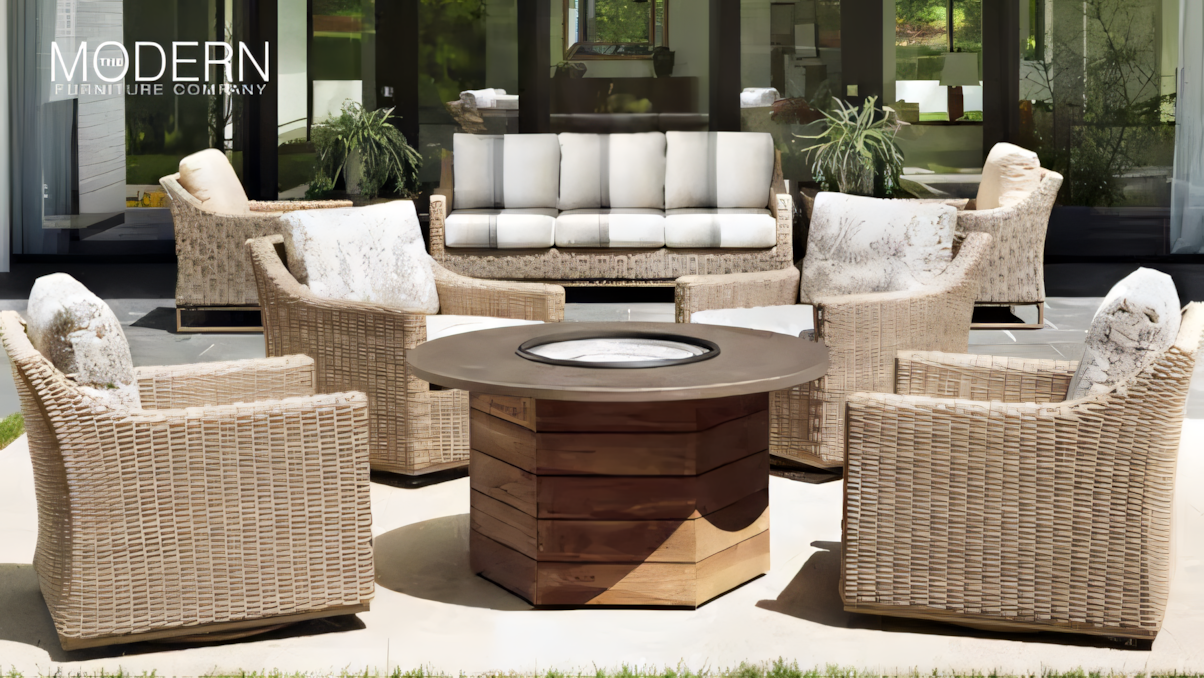
There's something really special about stepping outside and having a space that feels just as good as your living room - maybe even better. A well-designed patio isn't just somewhere to put a chair and a plant pot. It's a place where mornings feel slower, evenings stretch on, and summer (or even a crisp autumn afternoon) just hits differently.
Whether you've got a tiny courtyard or a sprawling garden, this list of 30 patio ideas has something for everyone. We'll cover seating, shade, lighting, outdoor kitchens, plants, heating, and more. Let's get into it.
1. Start With a Clear Layout Plan
Before you buy a single piece of furniture or plant anything, think about how you actually want to use your patio. Do you want a dining area? A relaxing lounge zone? A bit of both?
Zoning is everything. Even a small patio can feel like two separate spaces if you use rugs, planters, or level changes to break things up. Plan the layout first - everything else follows from there.
2. Choose Outdoor Furniture That Can Handle All Weathers

This is probably the single most important decision you'll make. Cheap furniture that warps or rusts after one rainy spell is a waste of money, full stop.
Brands like Manutti Furniture are known for building pieces that look stunning and hold up brilliantly outdoors. Their collections mix clean modern lines with materials that genuinely last - aluminium frames, Batyline slings, weather-resistant cushions. If you want something that still looks great three years from now, quality matters here.
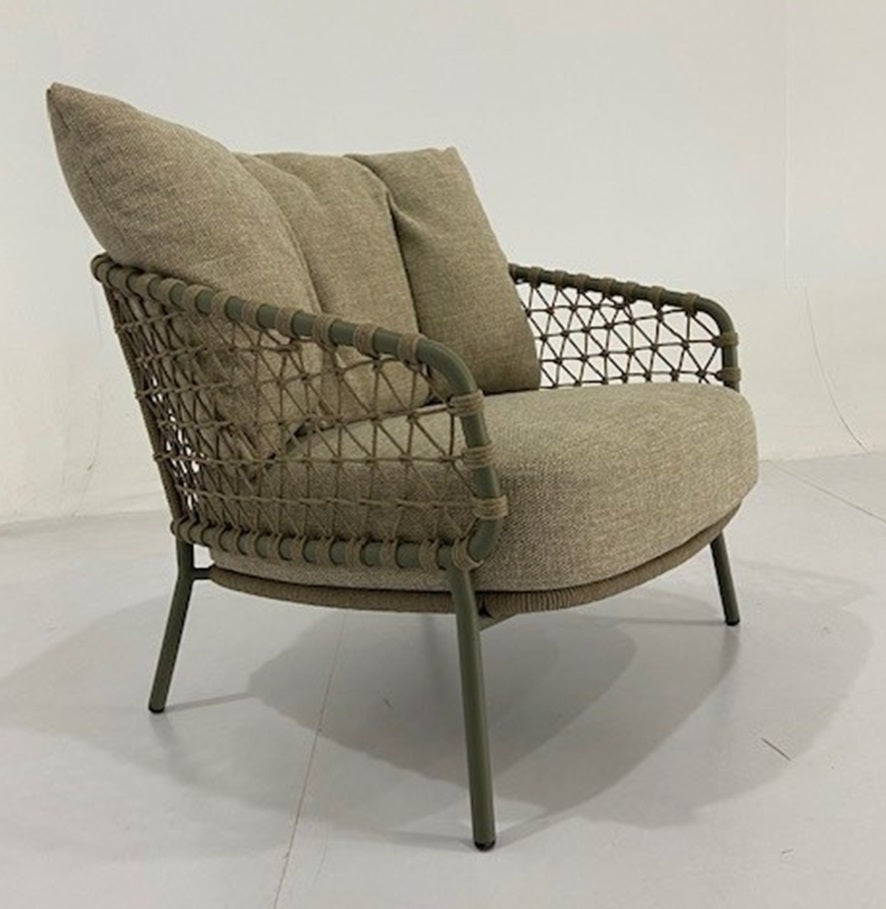
Similarly, Vincent Sheppard Outdoor makes wicker-style pieces that look warm and natural but are built for outdoor use. Their Lloyd Loom weave pieces in particular are a favourite for anyone who wants that effortless, relaxed garden feel without sacrificing durability.
3. Build an Outdoor Kitchen

If you love cooking and entertaining, this one's a game-changer. An outdoor kitchen means you're never running back and forth from indoors - everything you need is right there.
Cubic Outdoor Kitchens specialise in exactly this. Their modular designs let you mix and match components - grills, fridges, sinks, countertops - to suit your specific space. Even a modest L-shaped setup with a built-in grill and some prep space can completely change how you use your patio during warmer months.
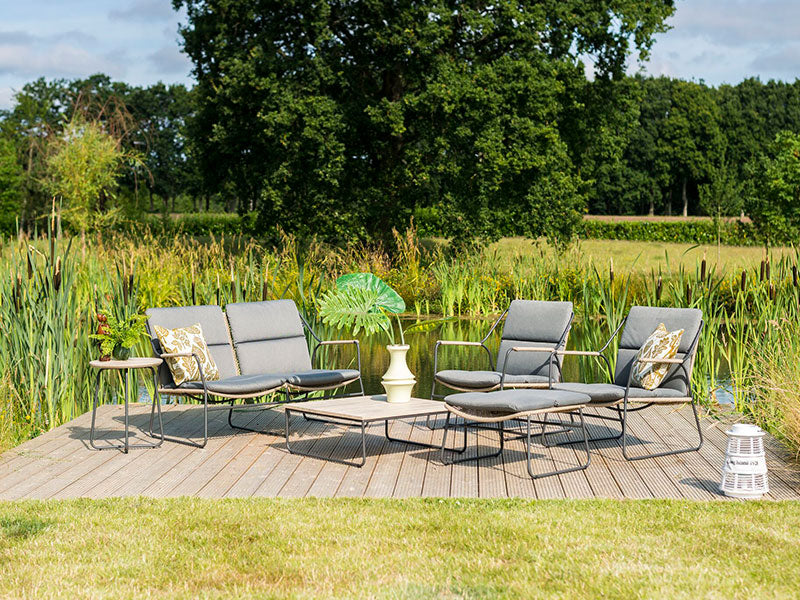
Think about storage too. Nobody wants to see bags of charcoal sitting in the rain.
4. Add a Pergola for Structure and Shade

A pergola does double duty - it gives your patio a strong architectural anchor and creates shade without fully closing off the sky.
Umbris Pergolas offer sleek, modern aluminium structures with adjustable louvre roofs. The louvres mean you can open them up when you want sun and close them down when the rain rolls in - which, let's be honest, is always a possibility. It's one of those investments that genuinely extends how long you can stay outside each day.
Also read - 15 Stunning Pergola Lighting Ideas to Transform Your Outdoor Space.
5. Pick the Right Paving

The surface underfoot sets the tone for everything above it. Large-format porcelain tiles give a contemporary, low-maintenance look. Natural stone, like sandstone or limestone, feels more classic and earthy. Concrete pavers are versatile and budget-friendly.
Whatever you choose, make sure it's rated for outdoor use and won't become a skating rink when wet. That's a basic but important on.
6. Layer Your Lighting

Good lighting turns a patio from a daytime space into an evening destination. The trick is layering - you don't want one bright overhead light that kills the atmosphere.
Think about:
● Festoon lights strung between posts or overhead beams - warm and inviting
● Recessed ground lights along pathways
● Lanterns on tables or steps
● Uplighting for trees or statement plants
Smart outdoor lighting systems let you control the mood from your phone. Honestly, once you've had proper garden lighting, you won't go back.
Also read - 20 Small Dining Room Ideas to Maximize Space and Style
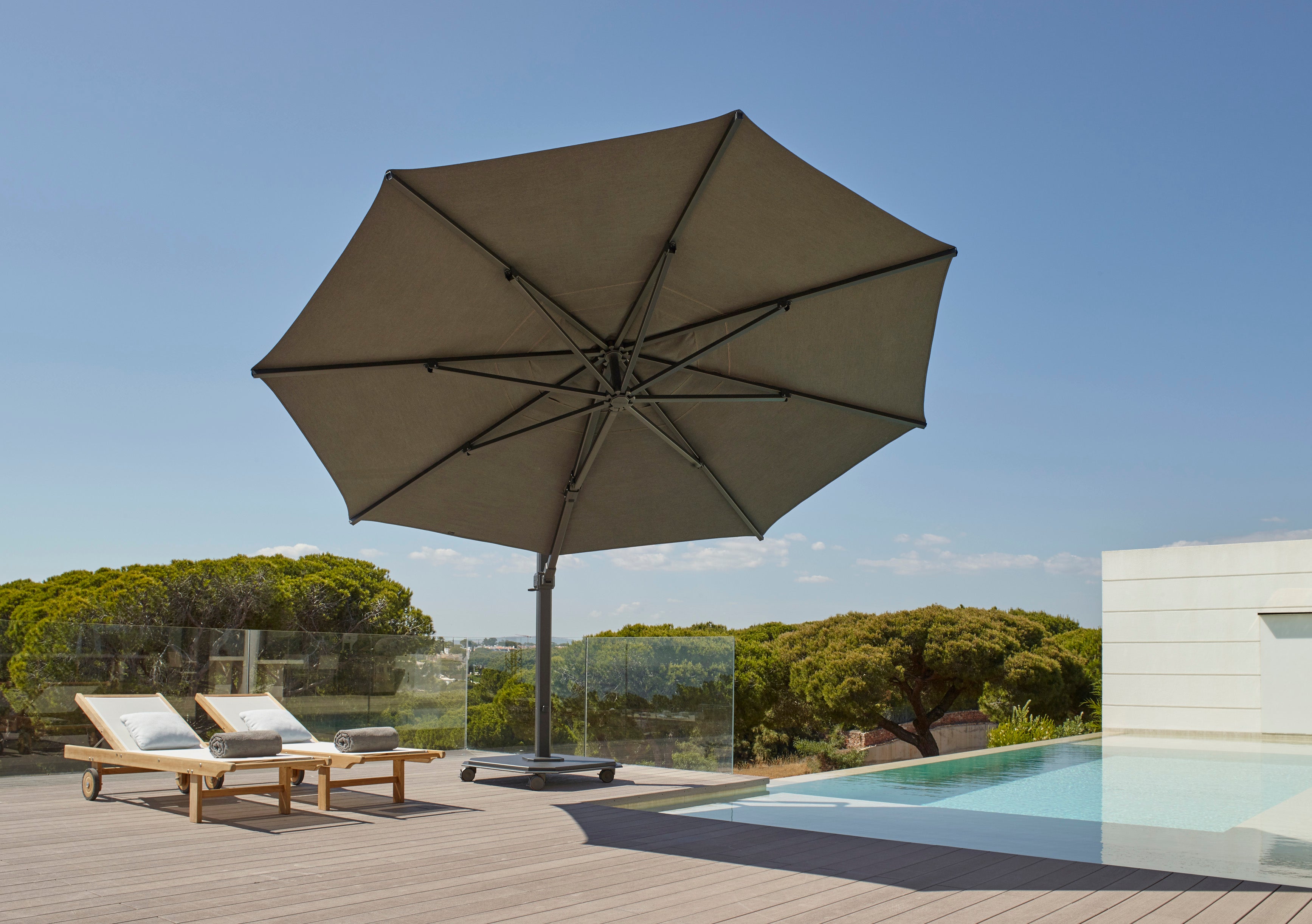
7. Invest in a Quality Parasol

A good parasol is non-negotiable if your patio gets afternoon sun. But not all parasols are equal. A cheap one will fade, wobble in light wind, and end up in the bin by September.
Glatz Parasols are a different story entirely. Swiss-made, beautifully engineered, and available in a huge range of sizes and fabrics, they're built to last years. The pulley systems are smooth, the canopies hold their colour, and some models include built-in LED lighting for evenings. Worth every penny if you use your patio regularly.
Jardinico Parasols are another excellent option - the Belgian brand is particularly well-regarded for their large cantilevered designs that give you shade without any central pole getting in the way of your table.
8. Think About Privacy Screening

Not everyone wants to feel like they're on display in their own garden. A bit of privacy goes a long way toward making a patio feel like a proper retreat.
Options include:
● Wooden or bamboo screens
● Trellis panels with climbing plants
● Tall planters with ornamental grasses or bamboo
● Fabric sail screens
The key is making it look intentional - like a design choice rather than a fence you threw up to keep the neighbours out.
9. Use Outdoor Rugs to Define Zones

An outdoor rug is one of the easiest ways to make a patio feel finished. It grounds the seating area, adds warmth underfoot (literally and visually), and instantly makes a space feel more like an outdoor room.
Look for polypropylene rugs - they're fade-resistant, waterproof, and easy to clean with a hose. Patterns work brilliantly outside. Don't be afraid of colour.
10. Add a Fire Pit or Outdoor Fireplace

There's nothing like gathering around a fire when the temperature drops. A fire pit - whether that's a simple bowl style or a sleek, built-in gas version - extends your patio season well beyond summer.
Gas fire pits are low-maintenance and easy to light. Wood-burning options have that authentic crackle and smell that people love. Either way, make sure it's positioned safely away from fences, overhangs, and furniture fabrics.
11. Bring in Year-Round Heating

A fire pit is lovely, but for more consistent warmth, outdoor heaters are the practical choice - especially for evening dining.
Heatsail Heaters are a design-forward option that don't look like industrial propane tanks. Their pendant and sail-style heaters are genuinely good-looking objects that you'd be happy to have as part of your patio aesthetic. They put out serious heat too, so you're not just getting something pretty - you're getting something that actually works.
12. Create a Lounge Area Separate From Dining

If space allows, having a dedicated lounge zone separate from your dining table is brilliant for parties and everyday use. After eating, everyone can move to the lounge area for drinks and conversation without being stuck at the table.
Deep-cushion sofas and armchairs from Royal Botania work really well here. Their outdoor upholstery handles moisture and UV exposure better than most, and the furniture has that clean, contemporary feel that works in modern garden settings.
13. Go Biophilic - Bring Nature Right In

Biophilic design is all about connecting your living space to the natural world. On a patio, that means plants - lots of them.
Try mixing:
● Tall architectural plants (olive trees, bamboo, ornamental grasses)
● Mid-level flowering plants in large containers
● Ground-level herbs or low spreading plants
Plants soften hard surfaces, add colour, and make a space feel genuinely alive. Even a paved courtyard can feel like a garden with the right planting.
14. Consider Statement Outdoor Furniture
Sometimes one really great piece of furniture can do more for a patio than ten average ones. A striking lounger, a sculptural dining table, a uniquely shaped sofa - these are the things people notice and remember.
Paola Lenti Furniture is famous for this. The Italian brand creates outdoor pieces that genuinely look like art - bold shapes, vibrant fabrics woven specifically for outdoor use, and a craftsmanship that's immediately obvious when you're near the furniture in person. Their modular sofa systems in particular are spectacular.
Point Furniture is another brand worth exploring - Spanish-made, with a focus on contemporary aesthetics and outdoor-specific materials. Their dining ranges have a clean, sculptural quality that works beautifully in modern garden settings.
15. Think About Seasonal Flexibility
One of the smartest things you can do is design your patio to work across the seasons, not just in summer.
4 Seasons Outdoor is built around exactly this idea. Their furniture and accessories are designed to transition from warm-weather entertaining to cooler-season use without looking out of place or needing to be dragged inside. Modular pieces that rearrange easily, cushion storage solutions, and weather-resistant fabrics all play a part.
16. Add a Water Feature

The sound of water is one of those simple pleasures that makes a garden feel like somewhere special. A wall-mounted fountain, a small trough pond, or a standalone water bowl can all add that gentle background sound that relaxes you without you even realising it.
Water features also attract birds and wildlife, which is a nice bonus if you're the sort of person who enjoys that kind of thing.
17. Use Vertical Space

If your patio is compact, think upwards. Vertical space is often totally wasted. Consider:
● Wall-mounted planters
● A trellis with climbing roses or jasmine
● Hanging lanterns or macramé baskets
● A green wall or living wall panel
Vertical planting in particular is genuinely useful - it adds greenery without taking up floor space, and it can create a beautiful natural backdrop to the whole patio.
18. Choose Cushions and Textiles Thoughtfully
Outdoor cushions have come a long way. Good ones are fade-resistant, quick-drying, and feel genuinely comfortable - not like sitting on a firm brick in a waterproof sleeve.
Look for cushions filled with outdoor-specific foam that doesn't hold water. Sunbrella and Olefin fabrics are both excellent choices for outdoor textiles. Invest in a few extra cushions - having too many is rarely a problem.
19. Bring Indoors-Out With a Covered Patio or Verandah
A covered section of patio - even a simple pitched roof extension - changes everything. Suddenly you can eat outside in a light shower. You can have your morning coffee out there without it being hot enough. The covered area becomes a bridge between the house and the open garden.
Covered patios work especially well when they blend with the house architecture, so try to echo the materials and pitch of the main roof if possible.
20. Invest in a Quality Garden Table
Your dining table is the centrepiece of outdoor entertaining. It needs to seat the right number of people, be stable on uneven surfaces, and look good while doing it.
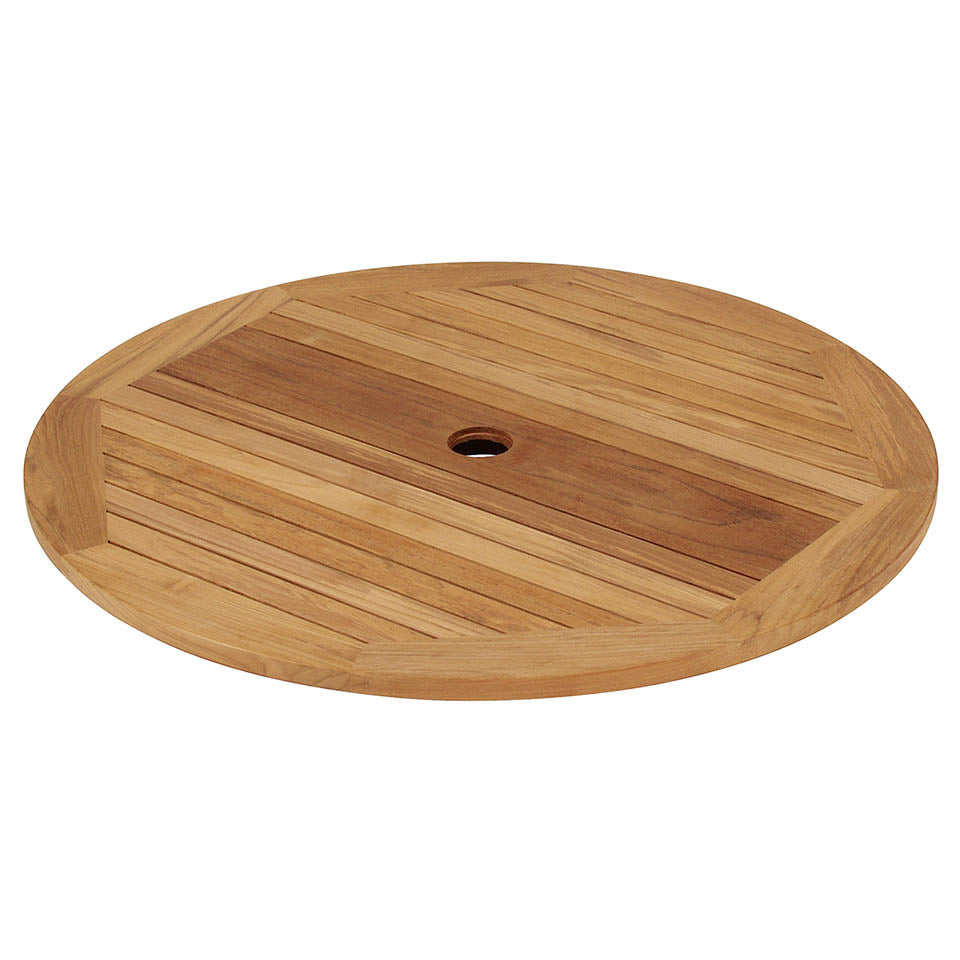
Extension tables are worth considering if you sometimes host large groups but don't want a massive table taking up space all the time. Teak, powder-coated aluminium, and composite materials are all solid choices for outdoor dining tables.
21. Add String Lights or Festoon Lighting
We mentioned lighting earlier, but festoon lights deserve their own mention because they are genuinely transformative. A string of warm-white bulbs overhead can make a basic patio feel like a restaurant terrace on a warm evening.
Solar-powered options are getting better every year. Mains-powered versions give a more consistent brightness. Either way, this is one of the best value-per-impact additions you can make to a patio.
22. Create a Kitchen Garden Corner
If you enjoy cooking, having herbs and small edibles growing right next to your outdoor kitchen or dining area is incredibly satisfying. A few raised planters or a dedicated herb wall near the kitchen area means you can snip fresh basil, mint, or rosemary straight into whatever you're making.
It also just looks beautiful - lush, green, and a little wild.
23. Don't Forget Storage
Outdoor storage is one of those things you only miss when you don't have it. Cushion boxes, garden sheds, waterproof cabinets for the outdoor kitchen - storage keeps your patio looking clean and makes it easier to use day to day.
Built-in storage benches are a clever solution for smaller patios. A large deck box near the seating area can hold cushions, throws, and garden games all in one place.
24. Use Mirrors to Make Small Patios Feel Bigger
Outdoor mirrors - weather-resistant, frameless or with metal frames - can create a real illusion of depth in a small courtyard or walled garden. Place one on a shaded wall opposite plants and it effectively doubles the greenery visually.
It sounds like a small trick, but the difference is genuinely noticeable.
25. Consider a Hot Tub or Plunge Pool
If budget allows and you have the space, a hot tub or small plunge pool takes a patio from lovely to extraordinary. Even a compact two-person hot tub can be integrated into a raised deck area or sunken seating zone to look really intentional rather than like an afterthought.
Maintenance is the main consideration - factor in the ongoing cost and time before committing.
26. Style It Like an Indoor Room
The patios that look best aren't treated like garden spaces - they're treated like outdoor rooms. That means:
● A proper colour palette, not just neutral furniture
● Artwork or decorative objects (weather-resistant ones)
● Mixed textures - wood, stone, fabric, metal
● A focal point - a fireplace, a statement planter, a beautiful piece of furniture
This shift in thinking - treating outside like an extension of the interior - is what separates a well-designed patio from a functional-but-forgettable one.
Brands like Jardinico Furniture understand this. Their pieces are designed to feel as at home in an outdoor setting as a well-chosen sofa would indoors. The craftsmanship and attention to detail reflect that.
27. Try Contemporary Indoor-Outdoor Crossover Furniture
One of the more exciting developments in outdoor design is furniture that blurs the line between indoor and outdoor use. Pieces that look like they belong in a stylish living room, but are built to handle the elements.
Bontempi Casa and Cattelan Italia both offer contemporary designs that have this quality - sleek, Italian-influenced aesthetics that can work beautifully in a covered outdoor lounge or a well-sheltered verandah. These are pieces you'd be proud to have whether guests are looking at them inside or out.
Porada takes a similar approach - refined Italian furniture craftsmanship applied to designs that can sit at the boundary between the inside and outside world, particularly in covered terrace settings. If you want your patio to feel seamlessly connected to your interior, this kind of crossover furniture is worth exploring.
28. Add a Swing or Hanging Chair
There's a reason people absolutely love hanging chairs and garden swings - they're genuinely enjoyable to sit in, and they add a playful, relaxed energy to a patio that standard chairs simply don't.
A rattan hanging egg chair hung from a pergola beam or a standalone frame is one of those additions that people always gravitate toward. If you have children, a swing is an obvious addition too - although adults have been known to claim those as well.
29. Use Bold Colour Confidently
Outdoor spaces are often kept too neutral. Beige cushions, grey pavers, brown furniture - it all ends up a bit flat. Don't be afraid of colour outdoors.
Cobalt blue, terracotta, mustard, deep green - these all look gorgeous in garden settings and actually become richer in natural light rather than feeling overwhelming. Start with cushions and textiles if you're nervous, but don't rule out a statement painted wall or coloured planter.
30. Keep It Personal
The best patios aren't copied straight from a catalogue. They have something of the person who uses them in every choice - a favourite colour, an inherited plant pot, a particular style of furniture they've always loved.
Inspiration is everywhere, and there are some genuinely outstanding products out there - from Barlow Tyrie's beautifully crafted teak and stainless collections, which have been making quality garden furniture for decades, to the more contemporary European designers we've covered throughout this list.
But the goal is always a space that feels right to you. Gather the ideas, invest in quality where it matters, and then trust your instincts. Your patio should be the place you actually want to spend time - not just a space that photographs well.
Can You Lay a Patio in October?
Yes, you can - but you need to be a bit careful. October can work perfectly fine for laying a patio, especially in the earlier part of the month when the ground is still relatively warm. The main things to watch out for are frost and heavy rain.
Mortar and concrete need time to cure properly, and if temperatures drop below freezing before they've set, you can end up with weak joints or cracked pointing. A good rule of thumb is to avoid laying a patio if there's a frost forecast within 24 to 48 hours of the job.
The ground also tends to be wetter in October, so drainage and a well-prepared sub-base are especially important. If you're hiring a professional, make sure they're aware of the conditions and are using the right mix for colder weather. It's absolutely doable - just don't rush it.
What Are the Latest Patio Design Trends?
Outdoor living has genuinely levelled up in the last few years. Here's what's trending right now:
All-season patios - people want to use their outdoor space twelve months of the year, not just June through August. This means louvre pergolas, quality outdoor heaters, and sheltered dining areas are more popular than ever.
Outdoor kitchens - a basic BBQ on wheels is being replaced by fully fitted outdoor kitchen setups with built-in grills, fridges, prep counters, and even pizza ovens. If you entertain regularly, this is where the investment is going.
Biophilic design - blending plants into every corner of the patio, not just sticking a few pots in the corner. Think green walls, raised planters built into the structure, and planting between paving stones.
Indoor-outdoor flow - patios that feel like an extension of the interior, with the same quality of furniture and styling you'd expect inside the house. At The Modern Furniture Company, this is something we see more and more customers asking for - pieces that sit beautifully whether they're indoors or out, with the materials and finish to back it up.
Sustainable materials - recycled, responsibly sourced, and long-lasting materials are increasingly important to buyers. Not just for environmental reasons, but because quality materials simply look better and last longer.
How Much Should a 20m² Patio Cost?
Costs vary quite a bit depending on materials and labour, but here's a rough guide for a 20m² patio:
● Basic concrete or budget paving slabs: £1,500 – £3,000 (materials + labour)
● Mid-range porcelain or natural stone: £3,000 – £6,000
● Premium natural stone (Indian sandstone, granite, limestone): £5,000 – £9,000+
● High-end bespoke finishes: £10,000+
The figures above are for the paving itself. If you add drainage work, sub-base preparation, steps, or raised sections, that pushes the total up further. Labour costs also vary depending on your location and the complexity of the job - always get at least two or three quotes before committing.
One thing worth remembering: the paving is a one-time cost. Spending a bit more on quality materials at this stage usually pays off because you're not repointing, replacing, or sealing every couple of years. Think of it as the foundation everything else sits on.
What Are Some Cheap Patio Ideas?
Budget doesn't have to mean boring. There are plenty of ways to create a great-looking outdoor space without spending a fortune:
Gravel or pea shingle - one of the cheapest ground covers going. It drains well, looks clean, and works in both modern and cottage-style gardens. A simple gravel patio with a few well-placed stepping stones can look genuinely lovely.
Second-hand paving - reclaimed flagstones and old brick pavers are often available cheaply from architectural salvage yards. They have a warmth and character that brand new materials sometimes lack.
DIY planting - instead of buying mature plants, grow from seed or take cuttings. Herbs, grasses, and climbing plants are all easy to propagate and make a real difference to how a space feels.
Focus your budget on one good piece - rather than buying lots of cheap furniture that looks and feels cheap, get one really solid chair, lounger, or table. Even if the rest is budget, that one quality piece lifts everything around it. At The Modern Furniture Company, we often advise customers to start with a single statement piece and build the rest of the space gradually - it nearly always looks better than filling the whole patio at once with low-quality items.
Lighting on a budget - solar fairy lights, clip-on spotlights, and battery-powered lanterns can transform a space for very little money. Lighting at dusk is genuinely the cheapest way to make a patio feel special.
How to Make Your Patio Look Expensive?
The good news is that an expensive-looking patio is more about choices than budget. Here's what actually makes the difference:
Edit ruthlessly - clutter is the enemy of a high-end look. Less is almost always more. A few carefully chosen pieces in the right places look far better than a patio crammed with stuff.
Stick to a colour palette - pick two or three colours and use them consistently across cushions, pots, furniture, and accessories. Random mismatched colours are what make spaces look cheap.
Choose large-format paving - bigger slabs with thin joints give a much more luxurious feel than small tiles or busy patterns. Porcelain in particular looks very sleek and clean.
Add proper lighting - this is probably the single biggest bang-for-your-buck upgrade. Even a modest patio looks gorgeous with warm, layered lighting in the evening.
Use real plants, not plastic - it sounds obvious, but healthy, well-tended real plants instantly elevate a space. Topiary in quality pots, a standard olive tree, or a well-trained climber on a trellis adds a polish that's hard to fake.
Invest in quality cushion fabric - if your furniture itself is simple, high-quality cushions in a good fabric can make the whole seating area look significantly more premium.
And if you really want that high-end result - furniture from The Modern Furniture Company can do a lot of the heavy lifting. The right pieces in the right materials make a space feel considered and put-together without having to work too hard at everything else around them.
When Not to Lay a Patio?
There are a few situations where it's worth holding off:
In a hard frost - as mentioned above, frost before mortar or concrete has cured is bad news. If there's a cold snap forecast, wait it out.
During prolonged heavy rain - waterlogged ground makes it very hard to prepare a stable sub-base, and working in soaking conditions leads to sloppy work. A few dry days either side of the job makes a real difference.
When ground is frozen solid - you simply can't work it properly, and any base laid on frozen ground will shift as it thaws.
If you're about to do other major garden work - if you know you want to move a tree, install drainage, or change the levels in your garden, do all of that first. Laying a patio before major groundwork almost always means damage or having to lift sections later.
When you haven't planned it properly - rushing into laying a patio without thinking through drainage, levels, access to outside taps and power sockets, and how the sun moves across the space through the day is a recipe for regret. A bit of patience at the planning stage saves a lot of frustration later.
Is It Too Late to Scarify in October?
Strictly speaking, this one is about lawn care rather than patios - but since many gardens have both, it's a fair question.
October is generally considered the last viable month for scarifying a lawn. The grass still has some growing time left before winter sets in, which means it can recover from the process before the cold really takes hold. Scarifying in late October is possible, but you're cutting it fine - earlier in autumn (September or early October) is better because recovery time is longer.
If you scarify too late and the lawn doesn't have time to recover before frost arrives, you can end up with a patchy, stressed lawn going into winter. If you've missed the window, it's better to wait until spring.
What Is the 30cm Rule for Decking?
The 30cm (approximately 1 foot) rule for decking refers to the minimum recommended height clearance between the underside of the decking boards and the ground below.
The reason for this is ventilation and moisture management. If decking sits too close to the ground, air can't circulate properly beneath it. That leads to moisture building up, which causes timber to rot, encourages moss and algae growth, and can attract pests. Keeping at least 30cm of clearance helps the structure breathe and significantly extends its lifespan.
In practice, many installers recommend even more clearance - particularly in damp or shaded spots - to keep the underside of the deck dry and well-ventilated. If your decking is close to the ground and you're noticing soft spots or rot, poor clearance and moisture build-up is usually the culprit.
This applies mainly to traditional timber decking. Composite decking boards tend to handle moisture better, but the principle of good airflow underneath still applies.
Final Thoughts
Transforming your patio doesn't have to happen all at once. Start with the basics - a good surface, quality furniture, and some lighting - and build from there. Each addition, done thoughtfully, makes the space a little better.
The brands and ideas in this list represent some of the best thinking in outdoor living right now. Whether you take one idea from this post or thirty, the main thing is this: your outdoor space has more potential than you might think. Give it the attention it deserves.
At The Modern Furniture Company, we work with a carefully selected range of outdoor furniture and accessories - chosen because they're genuinely well-made, beautifully designed, and built to last. If you'd like help putting together a patio that you'll actually love spending time in, we'd be happy to help.