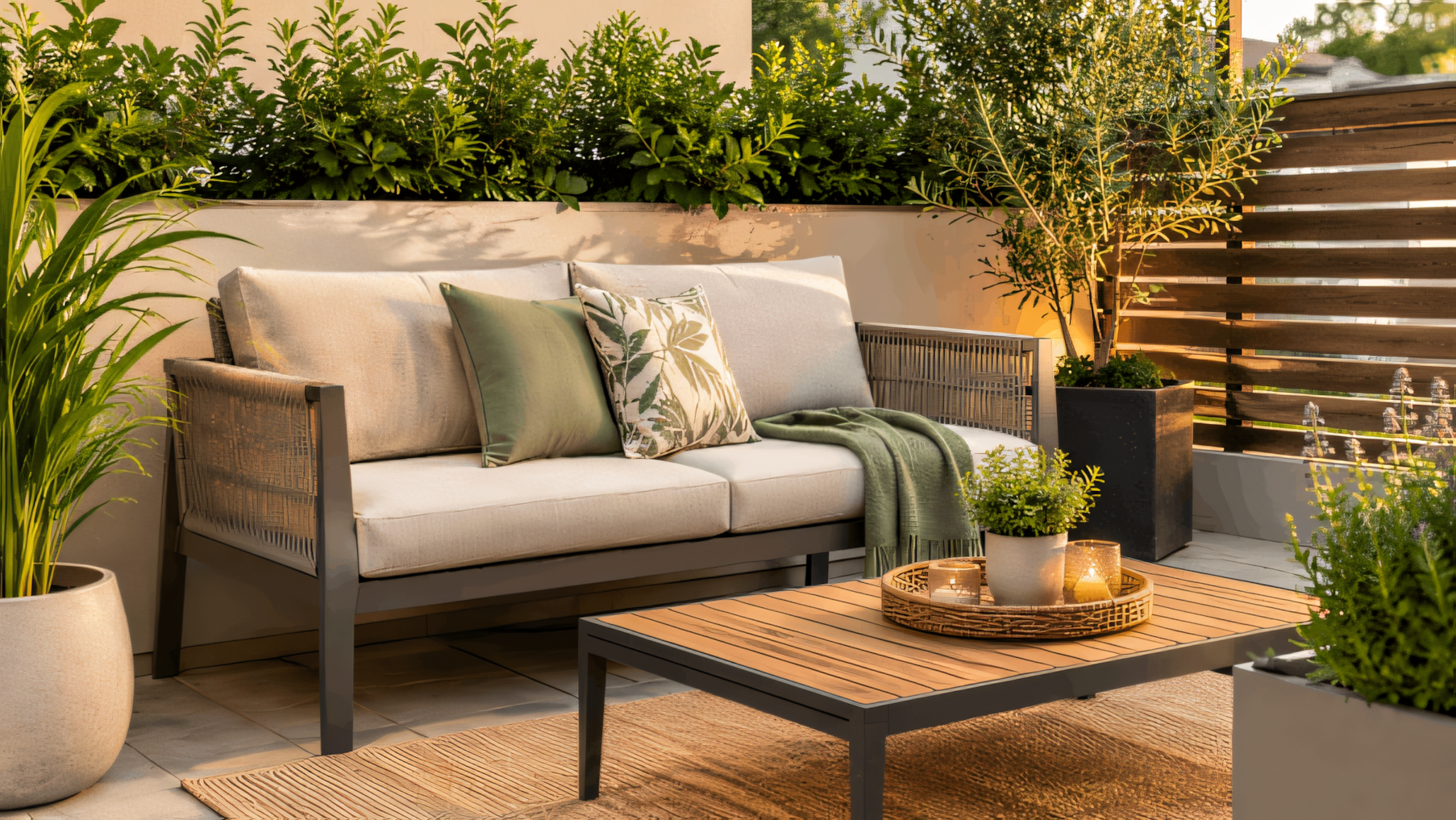
The good news is that a compact outdoor space doesn't mean compromising on comfort or style. It just means shopping a bit smarter. The right sofa can turn a modest patio, balcony or courtyard into the spot everyone gravitates to on a warm evening.
In this guide, we'll walk through how to measure your space properly, which frame and fabric combinations actually survive a full year outdoors, and which sofa shapes work best when square footage is tight. We'll also point you toward a few collections worth a closer look if you want to skip the guesswork.
Why Small Patios Need a Different Shopping Approach
Buying furniture for a small patio isn't the same as buying for a sprawling garden, and treating it the same way is where most people go wrong.
On a larger plot, a bulky corner set with generous proportions just becomes one feature among many. On a small patio, that same sofa becomes the whole story. It dictates how many people can sit down, how easily anyone can walk past, and whether the space feels like a retreat or a storage unit for cushions.
There's also a practical side to this. Smaller outdoor spaces are often more exposed to wherever the weather is coming from that day, tucked against a fence or shared wall with less shelter than a large garden might offer. That makes material choice even more important, since a sofa here will spend more time doing actual work and less time under a full cover.
Getting the sizing and materials right at the start saves you from the classic mistake: ordering something that measures beautifully on paper but swallows the space the moment it's delivered.
Start With Measurements, Not Photos
It's tempting to fall in love with a sofa image online and work backwards from there. Flip that order round. Measure first, browse second.
Here's a simple way to do it:
-
Measure the full width and depth of the patio, including any awkward corners or drainpipes that eat into usable space.
-
Mark out where a table, pot plants or a doorway swing will sit, since these all reduce your real footprint.
-
Leave at least 90cm of walking space around any seating, more if you'll be carrying plates or drinks through it.
-
Measure the sofa's actual footprint, not just its seat width, since arms and frame edges add up quickly.
A 2-seater bench that measures around 120-140cm wide tends to be the sweet spot for a genuinely small patio. Anything wider starts to compete with everything else you want to fit in.
If you're still working out the wider layout, our small garden ideas guide covers zoning a compact space before furniture even enters the picture, which makes this whole process a lot easier.
The Materials That Actually Hold Up Outdoors
This is where a lot of outdoor sofas quietly fail. A frame or fabric that looks fine on day one can start to sag, fade or smell musty by the second season if it wasn't built for the job.
Aluminium frames
Powder-coated aluminium is one of the most dependable choices going. It won't rust, it's light enough to shift around when you want to rearrange the space, and the coating holds its colour well against sun exposure. For a small patio where the sofa might need to be pulled in and out for cleaning or storage, the weight advantage matters more than people expect.
Teak and other hardwoods
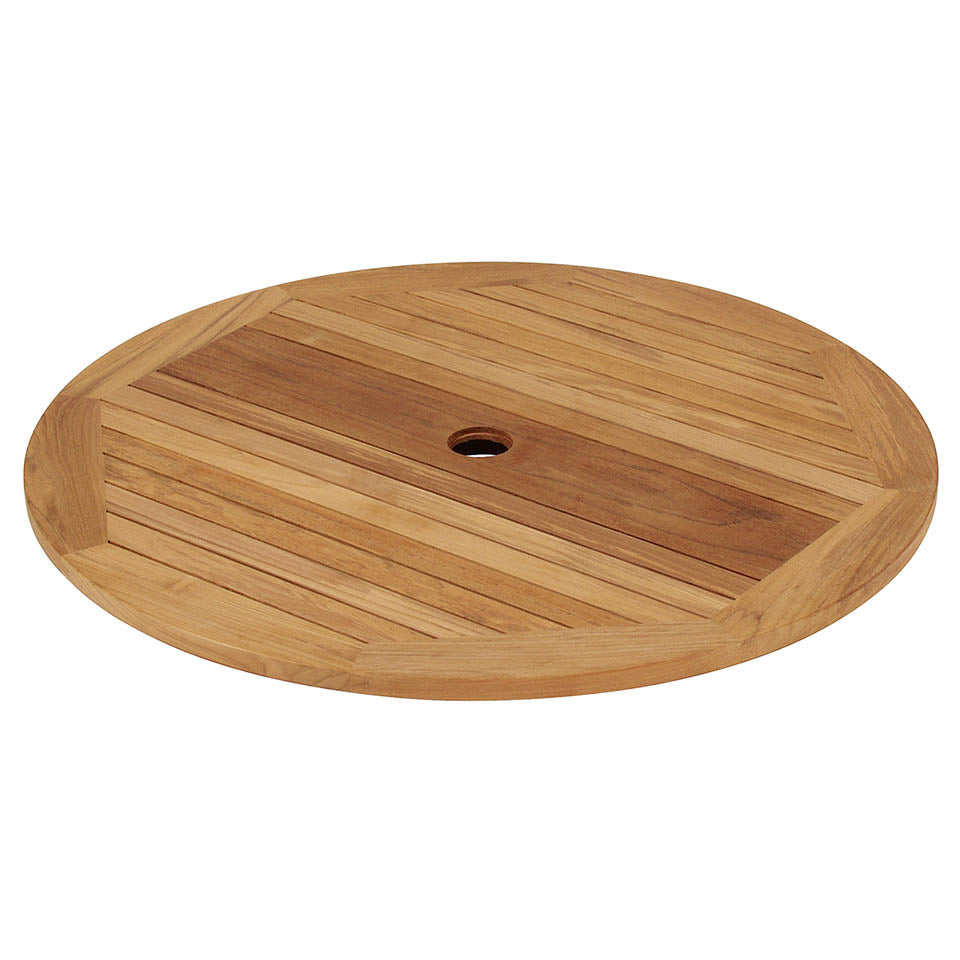
Teak has been used in outdoor furniture for a reason. Its natural oils resist rot and it silvers gracefully over time if left untreated, or keeps its honey tone with the occasional oiling. It's heavier than aluminium, which is actually a plus on an exposed patio catching wind, but it needs a little more upkeep than metal.
All-weather wicker and rattan
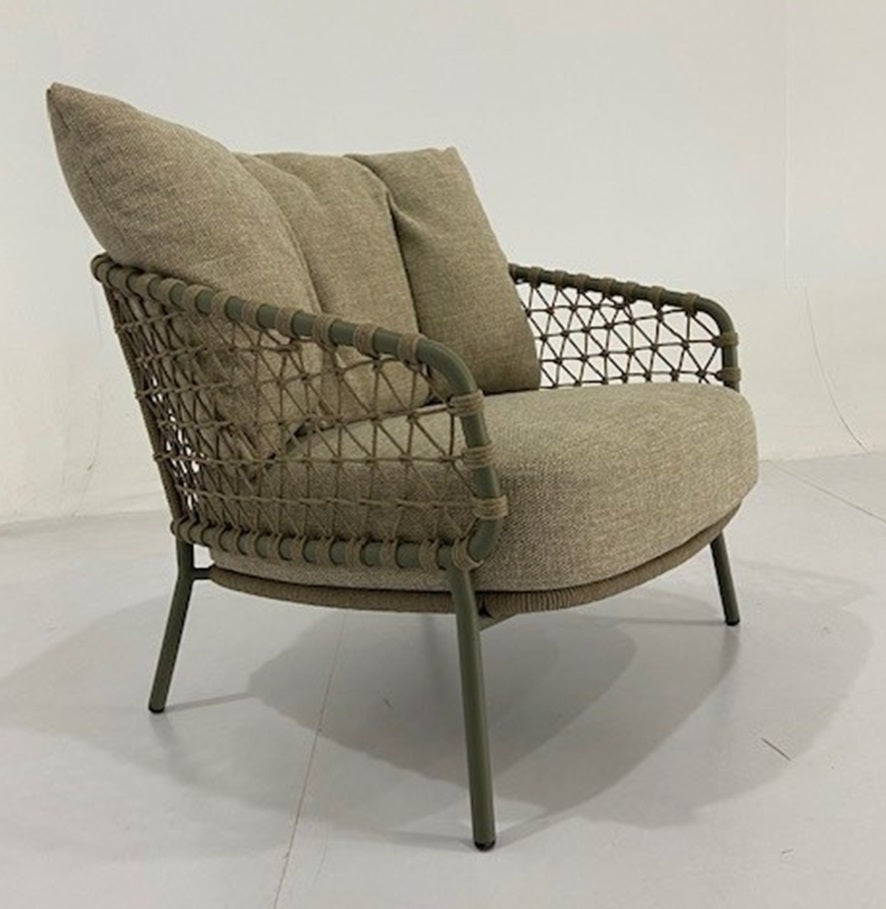
Synthetic PE (polyethylene) rattan looks close to the real thing but shrugs off rain and UV without cracking the way natural wicker eventually does. It's a strong option for a small space because it tends to come in slimmer, more tailored profiles than bulky upholstered sets.
Fabric and cushions
This is the part people overlook. A frame can be entirely weatherproof while the cushions on top of it are anything but. Look for solution-dyed acrylic or olefin fabric, and quick-dry foam with a drainage channel built in. Ordinary foam soaks up water like a towel and can take days to dry out properly, which becomes a real nuisance through a damp autumn. If you already love a design but aren't sure about its fabric, our outdoor cushions and accessories range is worth a browse for weatherproof replacements or extras.
Sofa Shapes That Work Best on a Small Patio
Not every sofa shape is built for a compact space, even when the dimensions technically fit. Some shapes make a small patio feel open and inviting; others box it in.
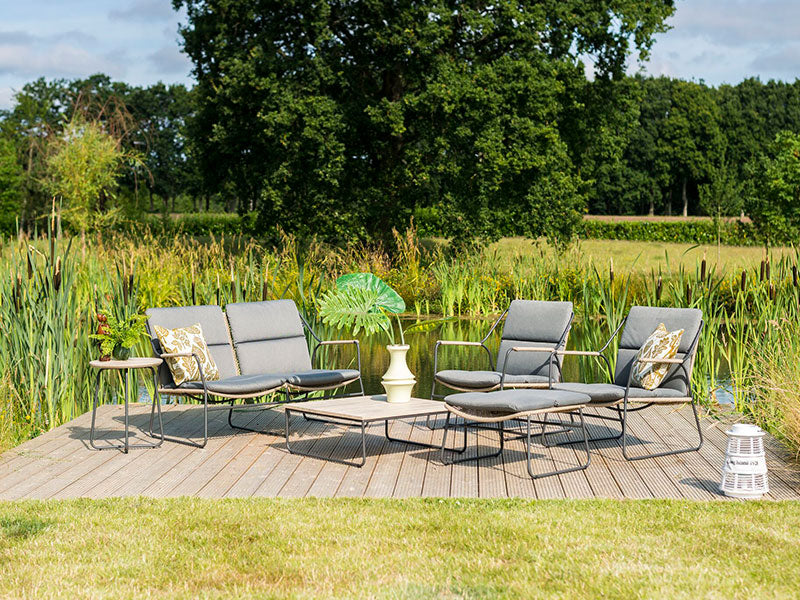
2 or 2.5-seater benches are the most forgiving option for tight spaces. They sit flush against a wall or fence, free up the centre of the patio, and still comfortably seat a couple with room for a cushion or two either side.
Modular corner sets sound like they'd only suit larger gardens, but a two or three-piece modular sofa can actually work brilliantly in an L-shaped corner, since you're using dead space that would otherwise go to waste. The trick is choosing a modular design you can reconfigure later if your needs change, rather than one locked into a single layout.
Loveseats with a slim profile suit balconies and narrow terraces where depth is more limited than width. Look for a seat depth under 70cm so it doesn't dominate a narrow strip of space.
A sofa and footstool combo gives you flexibility without the bulk of a full sectional. The footstool doubles as extra seating when friends drop by and tucks neatly under a table the rest of the time.
You'll find examples of all four shapes in our outdoor lounge seating, from compact benches through to modular sets that scale up if you extend the space later.
Colour and Finish: Small Space Rules Apply
A small patio behaves a bit like a small room indoors. Light, neutral tones make it feel more open, while a dark, heavy frame paired with dark cushions can visually shrink the space even if the actual footprint is fine.
That doesn't mean everything needs to be beige. A warm taupe frame with a single confident cushion colour, or a natural teak tone against greenery, tends to work better than a patio full of competing patterns. If the space gets plenty of sun, consider fade-resistant fabric in a mid-tone rather than pure white, which shows dirt and green algae marks faster than most people expect.
4 Seasons Outdoor has a good spread of these tailored, neutral-toned sets if you want something that reads as considered rather than default garden furniture.
Don't Forget Shade and Shelter
A sofa is only half the equation. Even the best-built cushions will fade faster and feel less inviting without some form of shade or shelter over them, especially through the brighter months.
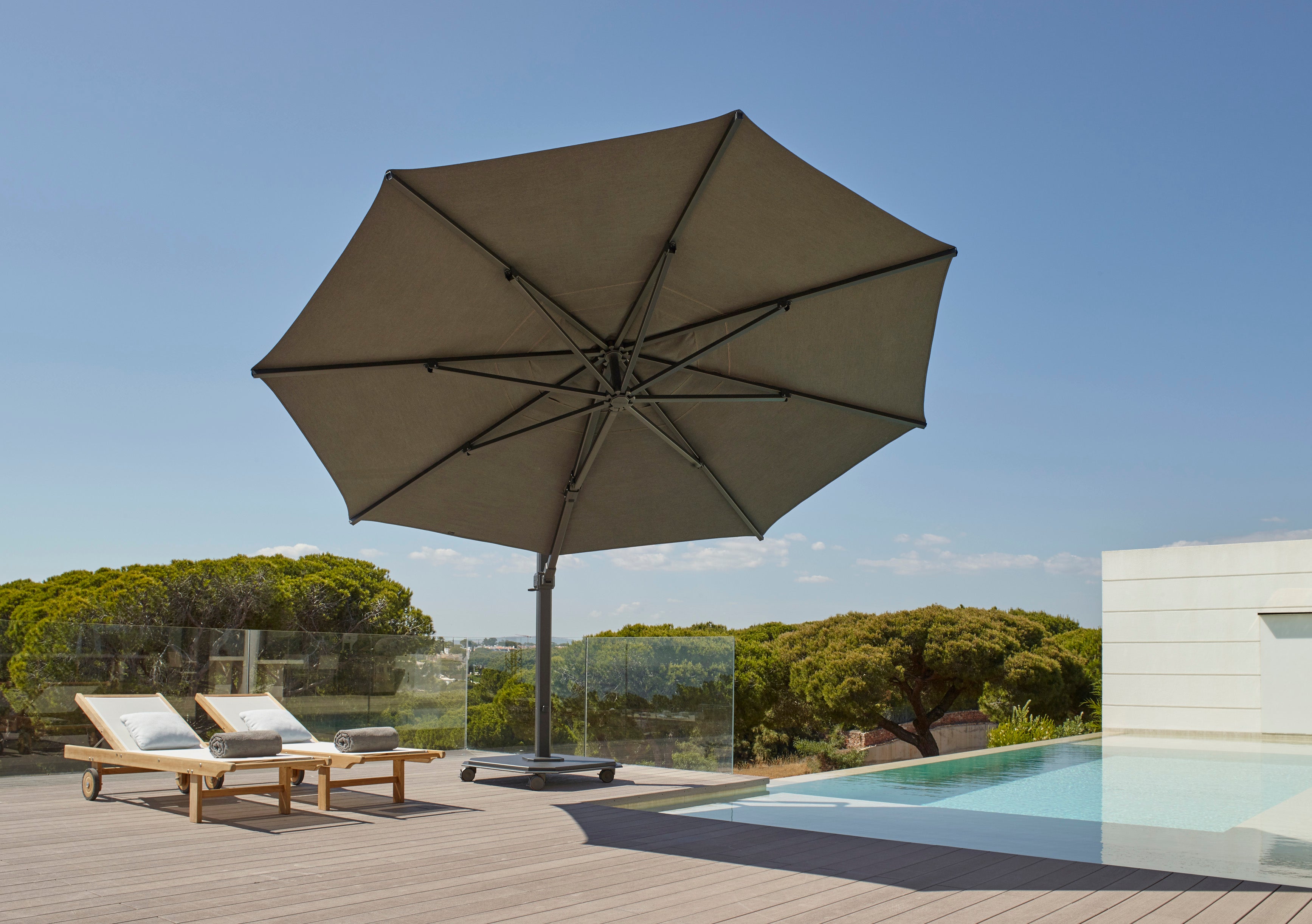
A well-placed parasol solves most of this without eating up floor space the way a full pergola would. Position it over the sofa itself rather than the whole patio, and you protect the one piece of furniture that costs the most to replace. Our parasols range includes cantilever styles that keep the base out of the way entirely, which matters a great deal when every square metre counts.
When It's Worth Spending More
Not every small patio needs a premium sofa, but there's a genuine case for spending more on this particular piece rather than skimping.
A cheaper sofa on a small patio gets used constantly, since there's nowhere else for people to sit. That heavier use means frames flex more, fabric wears faster, and the whole thing can look tired within a year or two. A well-built sofa from a brand like Manutti or Royal Botania is engineered specifically to take that kind of daily wear without the frame loosening or the fabric pilling.
If your priority leans more toward timber warmth than aluminium precision, Barlow Tyrie is worth a look too, particularly for teak pieces built to age gracefully rather than needing to be replaced every few seasons.
Think of it less as spending more, and more as spending once.
Caring for a Small-Patio Sofa Through the Year
A little routine care goes a long way toward getting a sofa to last well beyond its first couple of summers.
-
Wipe down frames after heavy rain rather than leaving standing water to sit in joints.
-
Stand cushions on their side after rain so water drains rather than pooling in the foam.
-
Bring cushions inside or into a storage box during long wet spells rather than leaving them out permanently.
-
Give fabric a light brush and a mild soap wash a few times a season to stop dirt from setting in.
-
Check screws and fittings once a year, since a small patio sofa often gets moved around more than a large garden set would.
Pair the sofa with a durable outdoor rug underneath and you'll also keep muddy footprints and rain splash-back off the base of the frame, which extends its life more than most people realise.
Bringing It All Together
Choosing a sofa for a small patio comes down to three honest questions: does it actually fit once you account for walking space, will the frame and fabric survive a full year outdoors without babying, and does the shape suit how you'll really use the space rather than how it looks in one photo.
Get those three right and a compact patio can feel just as considered and comfortable as a much bigger garden. Sometimes more so, since there's nowhere for clutter to hide.
If you'd like a hand narrowing things down for your exact space, our team can talk through dimensions and materials over the phone or by email, and point you toward the pieces that will genuinely suit a small footprint rather than just the ones on sale that week.