You've been staring at those grey cabinets for weeks. You love the look, but something feels off - the space is a bit flat, a bit cold. Maybe cream would help. But then the doubt kicks in: will it clash? Will it look dated? Will you regret pulling everything out?
Here's the short answer: cream and grey work brilliantly together. It's one of the most flexible pairings in kitchen design, and it suits real British homes - Victorian terraces, modern new-builds, and everything in between. Cream brings in warmth. Grey holds it together with structure. Neither one takes over, which means you've got plenty of room to add your own touches.
Here, we’ll cover 17 practical ideas across different styles, budgets, and kitchen sizes. Whether you're doing a full renovation or just trying to refresh what you've got, there's something here for you.
Do Cream and Grey Go Together in a Kitchen?
Yes - but the key is picking the right shades. Not all greys and creams are created equal.
Warm greys (ones with beige or brown undertones) sit very naturally next to cream. They feel cosy together, almost like they've always been there. Cool greys (with blue or green undertones) can work too, but they need the cream to stop the room from feeling clinical. If your grey is quite cool, go for a richer, deeper cream rather than a very pale off-white.
British homes have a particular challenge: natural light. Most UK kitchens don't get blazing sunshine year-round. A cold grey on a cloudy November morning can look quite bleak on its own. That's where cream earns its place - it reflects what little light there is and keeps the room feeling alive even on a grey day (no pun intended).
If you're working in an older house - a Victorian terrace, a 1930s semi - cream can feel especially at home. It suits the period architecture in a way that stark white often doesn't.
17 Cream and Grey Kitchen Ideas for Every Style
1. Classic Shaker Cabinets in Cream with Grey Walls

Shaker cabinets in cream are hard to get wrong. The simple recessed panel style suits period homes and modern kitchens alike, and cream gives them a softness that bright white can't match.
Pair them with a mid-tone grey on the walls, and you've got a scheme that feels warm and pulled together. Add brass or brushed gold handles for a bit of personality. It's a combination that's been popular in UK interiors for good reason - it's flexible, it ages well, and it photographs beautifully if you ever sell.
One thing to watch: very pale cream cabinets against a very pale grey wall can look a bit washed out. Go for contrast - either a deeper grey on the walls or a richer cream on the units.
2. Two-Tone Kitchens - Grey Lowers, Cream Uppers

This is the look that's all over interior Instagram right now, and it works especially well in smaller UK kitchens.
The idea is simple: darker grey cabinets on the bottom, lighter cream cabinets on the top. The dark base grounds the kitchen and hides splashes and scuffs (very practical). The cream uppers keep the room from feeling too heavy.
It's also a smart trick for making a low-ceilinged kitchen feel taller. The eye naturally moves upward to the lighter cabinets and then to the ceiling. You get visual height without knocking anything down.
If you want to try this without committing to a full refit, paint existing cabinets. A chalk-based furniture paint works well and can be refreshed easily.
3. Handleless Grey Units for a Cleaner Look

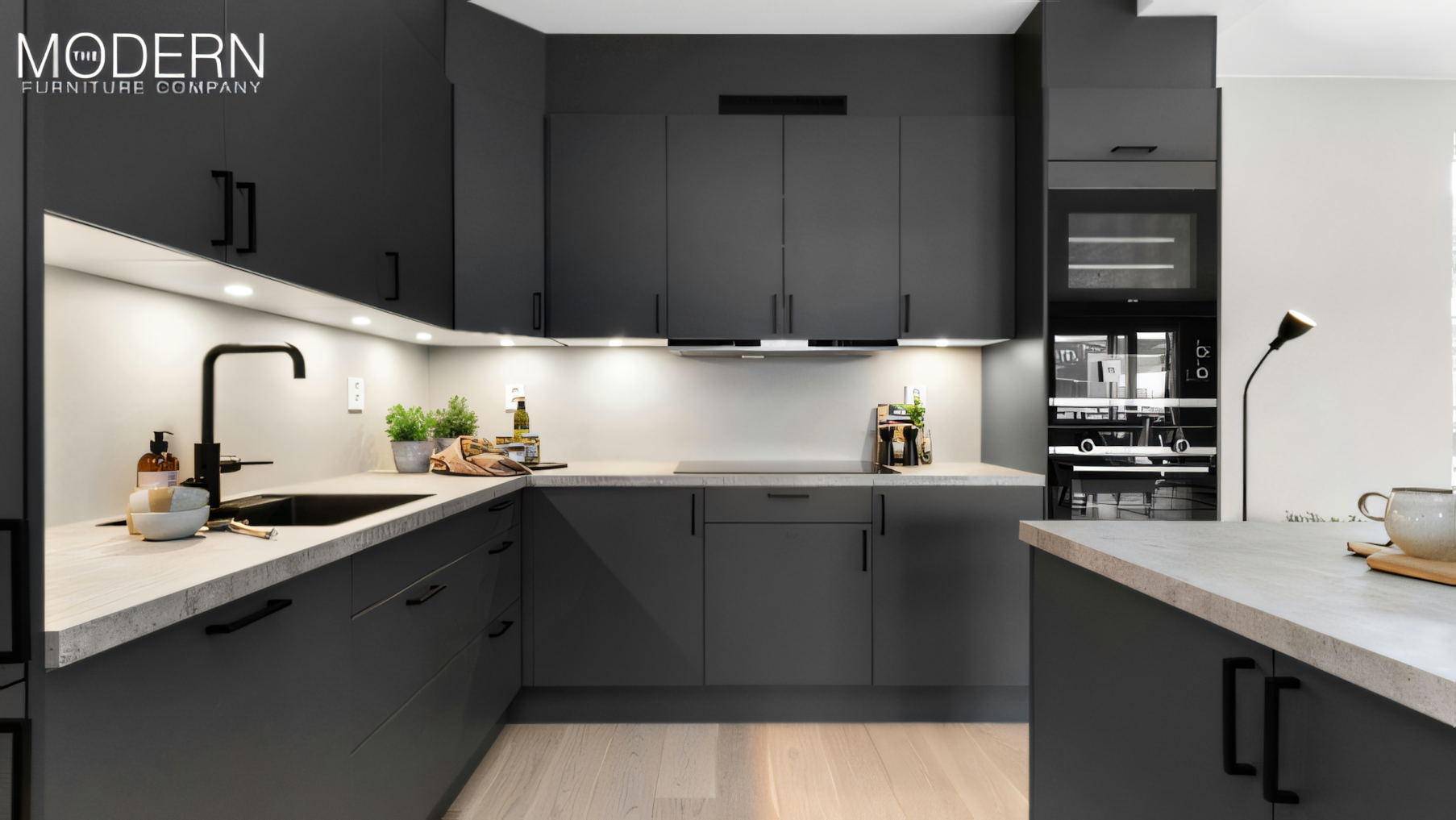
If your taste runs more minimal, handleless cabinets in a muted grey - something like a warm mid-grey or a pale slate - give kitchens a clean, modern feel without looking cold.
The trick is pairing them with a cream or stone worktop. That single warmer element stops the room feeling too stark. A cream splashback tile or cream-painted walls does the same job.
This style works particularly well in open-plan spaces where the kitchen sits alongside a living or dining area. The lack of handles keeps the visual noise down, and cream accents warm up the whole zone.
Also read - 20 Modern Garden Ideas to Transform Your Outdoor Space
4. Oak and Walnut Worktops - Adding Real Warmth

Worktops do a lot of the heavy lifting in cream and grey kitchens. Get them right and the whole scheme clicks into place.
Solid oak or walnut is the easiest way to add warmth to grey cabinets. Oak especially - its golden-brown tones pick up the warm undertones in cream and stop the grey from going cold. It's also incredibly durable if properly oiled.
That said, wood worktops need maintenance. If you cook a lot and want something more practical, a wood-effect laminate or a quartz with warm veining gives you a similar feel without the upkeep.
For cream units, keep the worktop a step darker. A warm taupe stone, a pale granite with grey specks, or even a butcher block all work well. Avoid very cool white worktops - they'll drain the cream of its warmth.
5. Marble, Quartz, and Stone Worktops

If you want something that looks expensive and handles wear and tear, quartz is hard to beat. A warm white quartz with subtle grey veining works beautifully with both cream and grey cabinets.
Marble is gorgeous but high maintenance - it stains and scratches, so in a working kitchen, a marble-effect quartz or sintered stone is often the smarter choice.
For a rustic or farmhouse kitchen, honed granite in a warm grey tone adds texture and depth. Pair it with cream shaker units and flagstone flooring and you've got a look that belongs in a converted country barn.
Also read - 15 Square Kitchen Ideas That Make the Most of Your Space
6. Grey Kitchen Island with Cream Surrounds

A grey island in an otherwise cream kitchen is a popular choice - and it makes a lot of practical sense too.
Islands take a lot of punishment. Darker grey surfaces hide marks, scratches and prep mess far better than cream ones. Meanwhile, the cream on your perimeter cabinets and walls keeps the room light and airy.
The contrast also gives the island a furniture-like quality, which makes it feel more deliberate - like a feature rather than just more cabinetry. A couple of pendant lights above it in brass or matte black and it becomes the focal point of the room.
7. Slate and Charcoal as a Bold Third Neutral

Cream and light grey are a lovely combination, but sometimes they need an anchor. If the room is feeling a little too soft, a darker third tone can give it real structure.
Charcoal or slate - on an island, a dresser, or even just a bank of low cabinets - gives the scheme visual weight. It stops the whole thing from looking pale and washed out.
This works especially well in larger open-plan kitchens where one tone might struggle to carry the space. Think of the charcoal as punctuation - it tells the eye where to stop and look.
Also read - 30 Patio Ideas That Will Make You Fall in Love With Your Outdoor Space
8. Brass Hardware - The Easiest Upgrade

If you're looking for the fastest, most affordable way to change the feel of a cream and grey kitchen, new handles are it.
Brushed brass is the go-to for warming up grey cabinets. It has enough warmth to complement cream and enough shine to lift grey out of the mundane. It's not as cold as chrome, not as hard as black.
For a more traditional look, antique brass or unlacquered brass develops a patina over time. For something cleaner, brushed gold keeps the warmth without looking too ornate.
Other hardware finishes worth trying: brushed nickel (works beautifully with both tones), matte black (sharp and modern), and aged bronze (excellent in rustic schemes).
9. Metro Tiles, Zellige, and Encaustic Splashbacks

The splashback is one of the few places in a kitchen where you can add real character without spending a fortune. And in a cream and grey kitchen, it's an opportunity worth taking.
Classic white metro tiles with a grey grout are a safe, reliable choice - they suit everything from modern flats to older houses. If you want something with a bit more life, try cream metro tiles with a slightly darker grout. The variation in tone gives the surface depth without going loud.
Zellige tiles are having a moment right now. These handmade Moroccan tiles are slightly uneven in colour and finish - each one different - which gives the wall a natural, artisan feel. In grey or off-white tones they look stunning against cream cabinets.
Encaustic tiles work better on floors than walls in most kitchens, but for a traditional farmhouse scheme, a simple geometric pattern in grey, cream and terracotta is beautiful.
10. Sage Green Accents

Sage green might be the best accent colour you can add to a cream and grey kitchen. It's warm without being loud, natural without being earthy, and it sits right in the middle of the cream-to-grey spectrum.
You don't need much. A painted larder unit in sage green, a row of herb pots in matching ceramic planters, or even just some soft green linen tea towels can bring the palette alive.
If you're considering painting a freestanding dresser or larder unit, sage is a much safer choice than navy or teal because it won't dominate. It gives you colour confidence without the commitment.
11. Navy Blue for a Bolder Statement

For those who want more drama, navy is the answer. It works brilliantly as an island colour or on a feature bank of lower cabinets.
Navy paired with cream walls and grey accents creates a scheme that feels both bold and grounded. The cream stops it from being too heavy, the grey keeps it from feeling theatrical.
This look works especially well if you have a large kitchen. In a small space, navy can shrink the room; in a generous kitchen, it gives it purpose.
Finish with brass hardware and a warm wood worktop and it all falls into place.
12. Small Kitchen Tips - Making Less Feel Like More
A lot of UK kitchens are small. Galley kitchens in Victorian terraces, compact kitchen-diners in new-builds - it's the reality for many people. The good news is that cream and grey handle small spaces extremely well.
Light grey and pale cream together reflect more light than bolder colours, which visually opens up the room. Handleless cabinets remove the visual clutter of hardware. Large-format floor tiles in a pale tone make the floor appear to go further.
A few more practical tips for small cream and grey kitchens: keep the worktop colour close to the cabinet colour to avoid chopping the space up visually. Mount wall units as high as possible to draw the eye up. Use under-cabinet lighting - it makes the worktop feel like a stage and adds depth at eye level.
13. Open Shelving in Cream or Pale Wood
Open shelving is polarising - some people love it, others hate the dusting. But done right in a cream and grey kitchen, it softens the look and gives the room a lived-in quality that closed cabinets can't replicate.
Cream-painted open shelves against a grey wall create a gentle contrast. Natural oak shelves against cream walls bring texture. Either way, keep what you display simple: a row of white or cream ceramics, some glass jars, a few books. Less is more here.
The one practical note: avoid open shelves right next to the hob or sink. Grease and steam do them no favours.
14. Rustic Farmhouse Style - Exposed Beams and Stone
Cream has always been the natural choice for farmhouse kitchens. Combined with grey stone floors, exposed wooden beams and aged hardware, it creates a look that's both timeless and specific - you know immediately where you are.
For a farmhouse scheme, go for a creamy shaker cabinet rather than a high-gloss finish. Pair with a granite worktop in warm grey tones. Add wicker baskets, ceramic storage jars, and a runner rug in a natural fibre.
The key in this style is imperfection. Materials that show their age - a worn flagstone floor, a chunky oak worktop that's developed its own marks - look far better than anything too pristine.
15. Lighting That Changes Everything
The same cream and grey kitchen can feel cold or cosy depending almost entirely on its lighting. It's one of the most overlooked elements in kitchen design.
Warm white bulbs (2700–3000K) complement cream beautifully. They pull out the warm tones in the cream and soften grey. Cool white (4000K and above) does the opposite - it makes everything feel a bit like an office.
Layer your lighting wherever possible. Under-cabinet LEDs for task lighting. Pendants over the island or dining table for atmosphere. A ceiling fitting that throws light upward as well as down, so the whole room feels bright. If you can put any of it on a dimmer, even better.
16. Flooring That Ties It All Together
Flooring often gets chosen last, but it should be one of your first decisions. It's the biggest single surface in the room.
For a cream and grey kitchen, warm wood-effect flooring is the safest choice. It picks up the warmth in the cream while grounding the grey, and it suits both modern and traditional styles. Luxury vinyl plank (LVP) is especially practical - it's warm underfoot, waterproof, and much easier to maintain than real wood.
If you prefer tiles, a large-format porcelain in a warm stone tone keeps things modern and easy to clean. Smaller format tiles with grey grout - especially a diagonal layout - work beautifully in period homes.
Avoid very cool grey flooring throughout. It can tip the whole room into feeling quite cold, particularly in UK winters.
17. Budget-Friendly Refresh - Paint, Handles, and Small Changes
You don't need a £20,000 renovation to make a real impact. A fresh coat of paint and new handles can completely change how a kitchen feels.
If you have tired white or beige cabinets, painting them a warm cream is a weekend job. Use a furniture paint designed for kitchen cabinets - it needs to handle moisture and regular cleaning. Apply two coats, sand lightly between them, and the result is remarkably close to a new kitchen.
Swap the handles at the same time. Budget around £3–10 per handle and choose a finish that adds warmth - brushed brass, satin nickel, or matte black all look far more considered than the basic chrome that most cabinets ship with.
Other small changes that make a big difference: replace the splashback tiles with peel-and-stick alternatives (good ones look surprisingly convincing), paint a feature wall in a complementary shade, add a rug under the dining table.
What Colours Go With Cream and Grey in a Kitchen?
Cream and grey are genuinely one of the most versatile base pairings in kitchen design. Here's how to add colour without losing the calm:
Sage green - the most forgiving accent. Feels natural, adds warmth, suits both modern and traditional kitchens.
Navy blue - bolder, more dramatic. Works best on a single feature element like an island or a painted dresser. Brilliant with brass hardware.
Warm wood tones - not exactly a colour, but wood accents (oak, walnut, teak) pull cream and grey together better than almost anything else.
Blush or dusty pink - a quieter accent. Works well in textiles and ceramics. Adds a softness that's distinctly modern.
Brass and gold - hardware and light fittings in these finishes add warmth without adding colour. Often all a scheme needs.
Charcoal or black - not for large areas, but excellent in small doses. A black tap, black handles or a matte black pendant light add definition.
What to avoid: bright, saturated colours (they clash with the quietness of cream and grey), very cool stark whites (they make the cream look dirty by comparison), and too many competing shades at once.
FAQs
Does grey go with cream kitchen cabinets?
Yes - especially warm greys with beige or brown undertones. These sit naturally alongside cream without clashing. Cool greys (with blue or green undertones) also work, but need a richer cream as a counterpart.
What shade of grey goes with cream kitchen units?
Warm mid-greys work best. Think shades like French grey, warm pebble, or a soft slate. Very cool greys (blue-grey or green-grey) can feel clinical against cream unless the rest of the room is very warm.
What worktop goes best with cream and grey cabinets?
Warm wood (oak or walnut) is the most natural choice. Quartz with warm grey veining works well if you want something lower maintenance. Avoid stark white worktops against cream units - they drain the warmth from the scheme.
Do cream kitchens date quickly?
No more than any other kitchen. The units themselves don't date; it's more about the hardware, splashbacks and accessories. Choose classic shaker or handleless styles and they'll outlast most trends.
What tiles go with a cream and grey kitchen?
Classic white or cream metro tiles are safe and timeless. For more character, try zellige tiles in off-white or pale grey, or geometric encaustic tiles on the floor. Pair cream tiles with grey grout to add definition.
Can I mix cream and grey in a two-tone kitchen?
Absolutely. Grey lower cabinets and cream upper cabinets is one of the most popular combinations right now. The contrast adds visual interest, and the darker base is more practical for hiding wear.
How can I add warmth to a cream and grey kitchen on a budget?
New handles in a warm metallic finish (brass, bronze, satin gold), a rug or runner in natural fibre, warm-toned light bulbs, and a few well-placed plants or ceramics can all shift the feel of the room without touching the cabinets.
Wrapping Up
A cream and grey kitchen is one of those rare design choices that's both fashionable and genuinely practical. It suits small galley kitchens and open-plan extensions. It works in a Georgian townhouse or a brand-new flat. And because neither colour dominates, you've got real freedom to make it your own - whether that's through warm wood accents, a bold navy island, or a simple bunch of flowers in a cream ceramic jug on the windowsill.
Start with the bones - cabinets, worktop, flooring - and let the personality come in through the details. Get the lighting right. Choose hardware that adds warmth. And don't overthink it. Cream and grey are forgiving in a way that few other palettes are.
If you're ready to start pulling the look together, explore our kitchen and dining furniture range for dining tables, sideboards, and finishing touches that bring real character to the heart of your home.